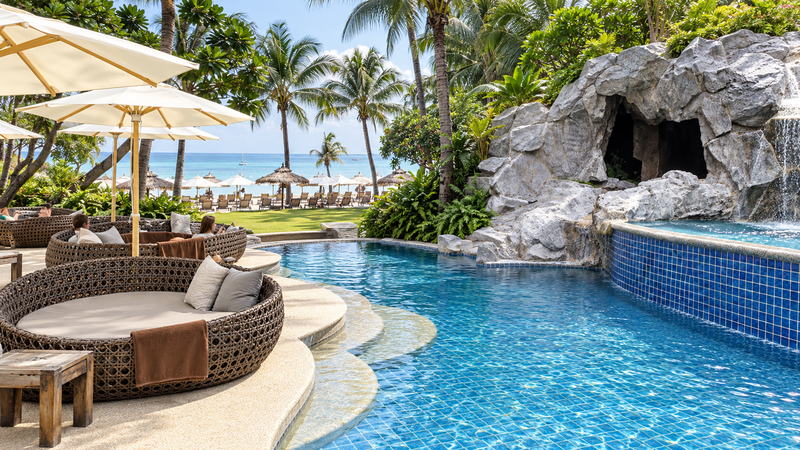
Bangkok can give you almost any kind of city break you want. The mistake is booking the hotel first and only afterwards discovering that the Bangkok you wanted is forty-five minutes away. Search where to stay in Bangkok and the results quickly turn into a competition between infinity pools, rooftop bars and breakfast buffets.
None of those things are useless. They are simply not the first thing I would choose. Bangkok is one of those cities where the neighbourhood can influence the trip more than the room. It is hot, traffic is unpredictable, and two hotels both describing themselves as “central Bangkok” can produce completely different holidays.
The more useful question is simple: what do you actually want outside the hotel door?
Where to stay in Bangkok
Where to Stay in Bangkok at a Glance
| Area | Best For | Main Advantage | Main Trade-Off |
|---|---|---|---|
| Asok / Phrom Phong / Sukhumvit | First-timers, restaurants, nightlife | Excellent BTS and MRT access | Busy and less historic |
| Siam | Shopping, short city stays | Central BTS interchange | Mall-heavy atmosphere |
| Silom / Sathorn | Couples, business, longer stays | Central but generally calmer | Heavy road traffic at peak times |
| Riverside | Couples, luxury, atmosphere | Chao Phraya views and boat access | Transport convenience varies by hotel |
| Rattanakosin / Old Town | Temples, history, photography | Historic Bangkok on the doorstep | Less convenient for Sukhumvit nightlife |
| Khao San / Banglamphu | Backpackers, solo travellers | Social scene and affordable stays | Noise and party atmosphere |
| Chinatown / Yaowarat | Food, street life, character | Street food, history and MRT | Can feel intensely busy |
Where to Stay in Bangkok First Time – Start With the Transport Map
If this is your first visit, I would open the BTS and MRT maps before opening Booking.com.
That sounds less exciting than comparing rooftop pools, but it may save you several hours over the course of the trip.
Bangkok’s BTS network connects major central districts, while Siam acts as the interchange between the Sukhumvit and Silom lines.
Asok is particularly useful because BTS Asok and MRT Sukhumvit effectively give you access to two rail systems from the same area.
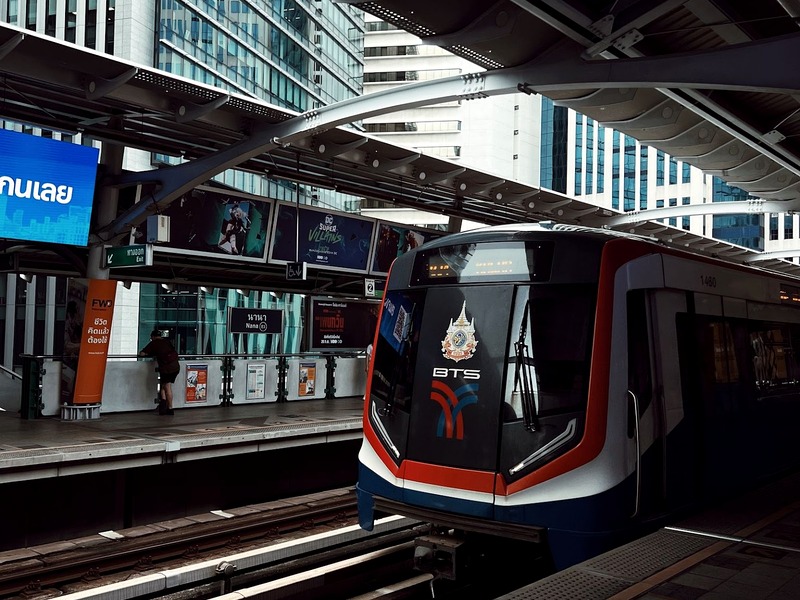
First time bangkok start with transport
For a straightforward first visit, I would investigate these areas first:
- Asok / Phrom Phong: strongest all-round transport convenience.
- Silom / Sathorn: central but slightly calmer.
- Riverside: atmosphere, temples and river access.
- Rattanakosin: historic sightseeing on the doorstep.
- Siam: shopping and easy BTS connections.
A transport hub does not have to be romantic.
It has to work.
Sukhumvit — The Easiest All-Rounder
Sukhumvit is the obvious starting point for travellers who want modern Bangkok, restaurants, nightlife and convenient public transport in the same area.
The mistake is treating “Sukhumvit” as one neighbourhood. It is a long corridor and its character changes considerably from station to station.
- Nana: very lively nightlife and an adult-oriented evening scene.
- Asok: strongest transport advantage with BTS and MRT.
- Phrom Phong: more polished, with upscale malls, restaurants and hotels.
- Thong Lo: restaurants, bars and a more lifestyle-oriented feel.
- Ekkamai: slightly more residential while still well connected.
Who Should Stay in Sukhumvit?
- first-time Bangkok visitors;
- travellers who want BTS access;
- people who plan to eat and drink around modern Bangkok;
- nightlife-focused visitors;
- short-stay travellers who need straightforward transport.
If most of your itinerary is Grand Palace, Wat Pho, Wat Arun and river sightseeing, Sukhumvit will get you there.
You just will not wake up there.
Sometimes that difference is the holiday.
Siam — When Shopping Is Actually Part of the Trip
Siam is modern Bangkok operating at full volume: malls, department stores, restaurants, elevated trains and people carrying shopping bags large enough to require their own seat on the BTS.
Its biggest advantage is practical rather than romantic: Siam is the interchange between Bangkok’s two main BTS lines.
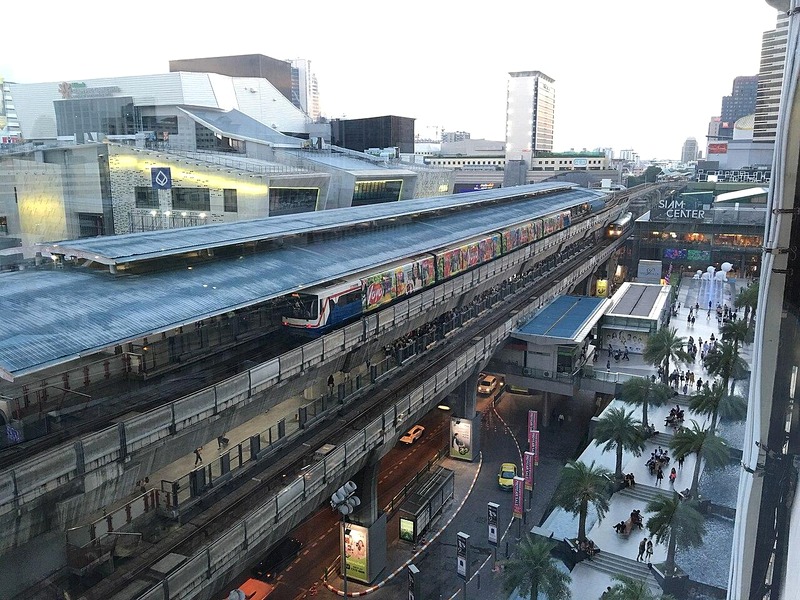
Siam bts shopping district
Siam Makes Sense If You Want:
- Siam Paragon, MBK, Siam Center and nearby shopping;
- easy BTS access;
- a short and efficient city stay;
- restaurants and entertainment close to the hotel;
- modern Bangkok rather than historic Bangkok.
Do not stay here because somebody told you this is where you will uncover Bangkok’s hidden neighbourhood soul.
You probably won’t.
You may, however, discover several floors of excellent air conditioning.
Silom and Sathorn
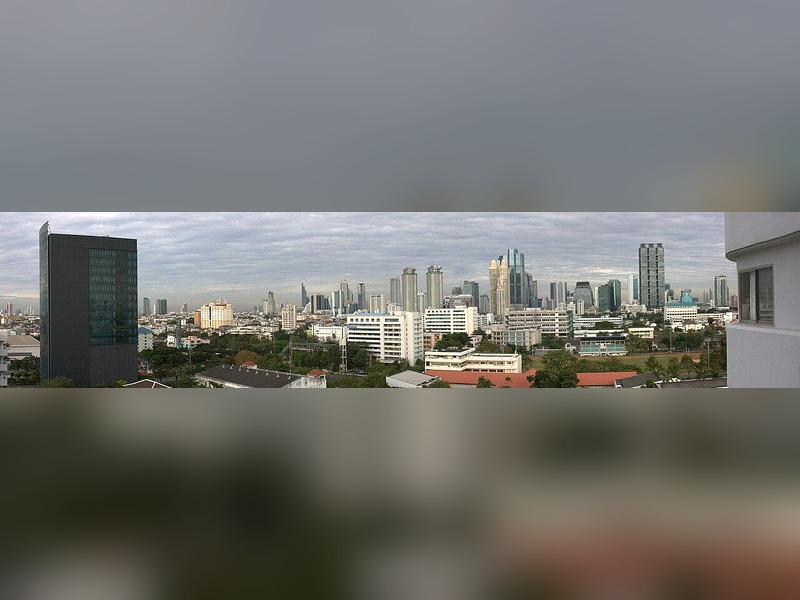
Silom sathorn bangkok
Silom and Sathorn make more sense for travellers who want central Bangkok but do not need Sukhumvit’s full-volume commercial energy outside the hotel.
The area mixes offices, hotels, restaurants, rooftop bars and access toward Lumphini Park and the river.
- Good for: couples, business travellers and longer stays.
- Transport: BTS Silom Line plus MRT access in parts of the district.
- Atmosphere: generally more business-like during the day.
- Watch for: rush-hour road traffic and nightlife around Patpong.
“Silom” on a booking page is not enough information.
Check the actual walking distance to the station.
Bangkok rewards specificity.
Riverside — Stay Here When the Setting Is Part of the Hotel
Bangkok changes when you reach the Chao Phraya.
The skyline opens, boats replace some of the road traffic and the river itself becomes part of the experience.
Riverside works particularly well if your ideal Bangkok stay includes:
- slow breakfasts;
- river views;
- afternoon pool time;
- sunset drinks;
- temple sightseeing;
- boat journeys;
- a quieter evening atmosphere.
But “Riverside” is not one transport category.
Before booking, check:
- which pier is nearby;
- whether the hotel operates a shuttle boat;
- how far the nearest BTS or MRT station is;
- how you will return to the hotel late at night.
The river view may be identical in the booking photograph.
The journey home at 11pm won’t be.
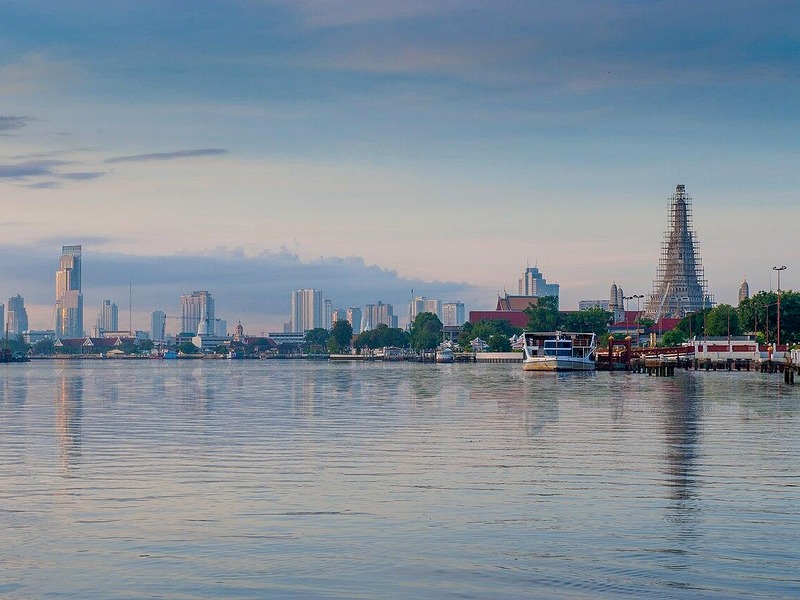
Riverside saphan taksin chao phraya
Rattanakosin / Old Town
Rattanakosin deserves to be treated separately from Khao San Road. Bangkok’s historic core puts the Grand Palace, Wat Phra Kaew, Wat Pho, Sanam Luang, Museum Siam and the Chao Phraya within the same broader area.
And the old assumption that this part of Bangkok has no useful rail connection is outdated.
Sanam Chai MRT now gives visitors direct access to the historic district, while the Blue Line also makes Chinatown and other central districts considerably easier to reach.
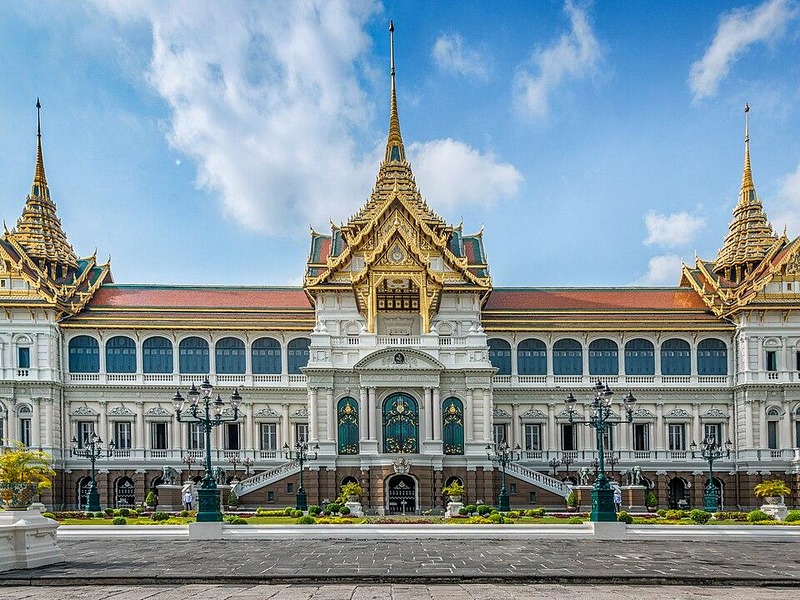
Old town rattanakosin grand palace
Stay in Rattanakosin If You Want
- Grand Palace and Wat Pho before the tour crowds build;
- temples and heritage architecture;
- street photography;
- river boats;
- Pak Khlong Talat flower market;
- a more historic Bangkok atmosphere.
Stay Somewhere Else If
- your evenings revolve around Thong Lo or Asok;
- nightlife is a major priority;
- you expect to spend most days shopping around Sukhumvit and Siam;
- you want BTS immediately outside the hotel.
A neighbourhood can be excellent and still be completely wrong for your itinerary.
That is the point.
Khao San Road and Banglamphu — Know What You’re Booking
Khao San works very well for a specific kind of traveller: backpackers, solo travellers and people who actively want a social nightlife environment.
- hostels and inexpensive accommodation;
- cheap food and drinks;
- easy opportunities to meet other travellers;
- late-night bars and a party atmosphere.
If going to sleep at 3am feels like an administrative inconvenience rather than a problem, it may suit you perfectly. If you are planning a quiet romantic weekend, read the hotel address carefully. You also do not have to sleep directly on Khao San Road itself. Quieter streets around Banglamphu can keep you close to the area without making the bass line part of the room package.
Chinatown / Yaowarat — Stay Here if Dinner Matters More Than the Pool
Chinatown is one of Bangkok’s most distinctive neighbourhoods and has become a much more practical accommodation option since the MRT Blue Line expanded into the area.
Wat Mangkon MRT now puts Yaowarat directly on the rail network.
Why Stay in Chinatown?
- street food;
- Thai-Chinese culture;
- historic shophouses;
- markets;
- excellent street photography;
- easy MRT access toward Old Town and central Bangkok.
The downside is intensity.
Yaowarat is busy, noisy and crowded, particularly in the evening.
If that sounds exciting, consider staying here.
If it sounds exhausting, visit for dinner.
What I Would Actually Choose for a First Trip
| Your Trip | Area to Investigate First |
|---|---|
| Easiest all-round first visit | Asok / Phrom Phong |
| Shopping-heavy trip | Siam |
| Central but slightly calmer | Silom / Sathorn |
| Romantic or atmospheric stay | Riverside |
| Temples and historic Bangkok | Rattanakosin |
| Backpacking and social nightlife | Khao San / Banglamphu |
| Food-focused city break | Chinatown / Yaowarat |
Five Things to Check Before Booking Any Bangkok Hotel
- Check the real walking distance to the station.
“Near BTS” can mean 200 metres or a fifteen-minute Bangkok walk in serious heat. - Check which station it actually is.
A hotel somewhere on Sukhumvit Road tells you surprisingly little without the station name. - Read recent reviews for noise.
Bangkok neighbourhoods can change significantly after dark. - Decide how much time you will spend in the hotel.
If the room is only for sleeping, stop paying for facilities you will barely use. - Look at your saved Google Maps pins.
If most of them sit in one part of Bangkok, that is a strong clue about where you should stay.
Hotel selection does not need to become a personality test.
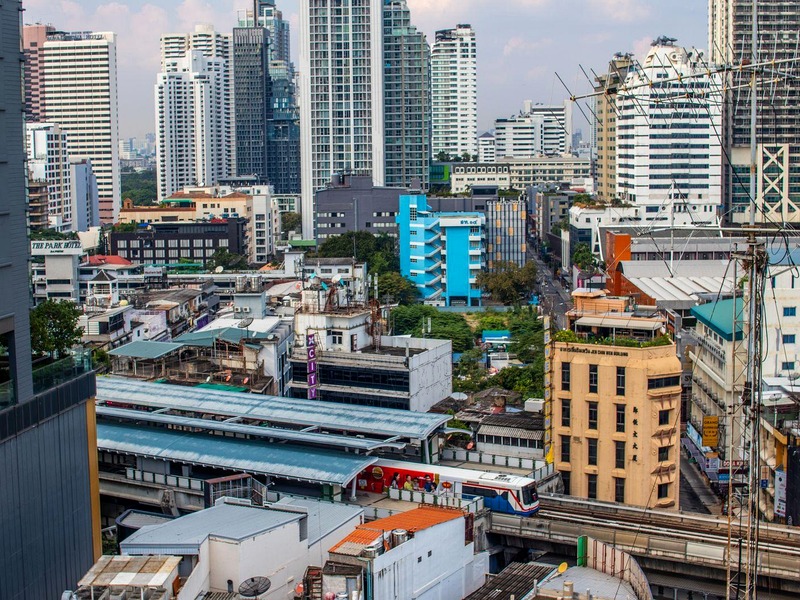
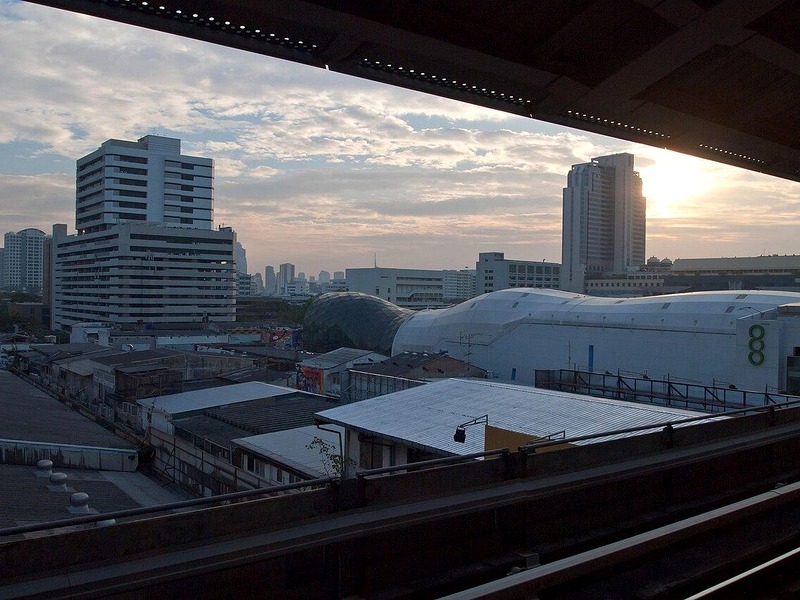
What i would choose bangkok bts cityscape
If Bangkok Is Only a Stopover
An airport hotel makes sense when you arrive late, leave early or have very little time between flights.
But if you have two complete days, I would normally stay in the city and choose the neighbourhood around those two days.
A short Bangkok visit makes location more important, not less.
You simply have fewer hours to waste.
So, Where Should You Stay in Bangkok?
The most useful answer to where to stay in Bangkok is not Sukhumvit.
It is not Riverside.
It is not Rattanakosin.
It is this:
Stay close to the Bangkok you actually intend to use.
- Choose Asok because you want transport.
- Choose Siam because you are actually going shopping.
- Choose Silom because you want central Bangkok without Sukhumvit’s full-volume energy.
- Choose Riverside because the Chao Phraya is part of the holiday.
- Choose Rattanakosin because you want temples before breakfast.
- Choose Khao San because you intend to participate in Khao San rather than complain about it.
- Choose Chinatown because eating your way through Yaowarat sounds better than another hotel buffet.
The hotel comes second.
Bangkok can sell you an extraordinary room almost anywhere.
What it cannot give back is the two hours you spent every day travelling from that room to the city you actually wanted to see.
And that is why the smartest answer to where to stay in Bangkok is not a hotel name.
It is the right neighbourhood. Then you choose the bed.