
What Are the Best Things to Do in Chiang Mai?
The best things to do in Chiang Mai are exploring the Old City temples, visiting Wat Phra That Doi Suthep, trying khao soi, browsing the Sunday Walking Street, taking a northern Thai cooking class and discovering the mountains beyond the city. If wildlife interests you, choose a genuinely observation-led elephant experience. Three or four days cover the main highlights without turning your holiday into an endurance test.
Chiang Mai is not Bangkok with fewer skyscrapers or Phuket without a beach. Its pleasures are slower and more personal: an early temple visit, a market conversation, a bowl of noodles you remember long after the hotel breakfast has been forgotten. The trick is choosing experiences that fit together geographically, rather than chasing every attraction with a popular hashtag.

Chiang mai night street vintage truck
12 Chiang Mai Attractions at a Glance
| Experience | Allow | Best for | Reality check |
|---|---|---|---|
| 1. Old City temples | 2–3 hours | Culture and architecture | Dress respectfully |
| 2. Doi Suthep | Half-day | Mountain temple and views | Curving uphill road |
| 3. Wat Pha Lat | 1–3 hours | Forest atmosphere | Trail conditions vary |
| 4. Sunday Walking Street | 2–3 hours | Crafts and evening food | Sunday only; crowds |
| 5. Warorot Market | 1–2 hours | Local market life | Busy working market |
| 6. Khao soi tasting | 1 hour | Northern Thai cuisine | Popular shops sell out |
| 7. Cooking class | Half-day | Hands-on food | Check class size |
| 8. Baan Kang Wat | 1–2 hours | Art and craftsmanship | Some studios have rest days |
| 9. Nimman neighbourhood | 2–3 hours | Cafés and modern culture | Not the historic Old City |
| 10. Ethical elephant observation | Half/full day | Conservation learning | Research animal welfare |
| 11. Doi Inthanon | Full day | Mountains and nature | Long journey; cool weather |
| 12. Bua Tong Waterfall | Half/full day | Outdoor adventure | Slippery areas still exist |
Temples and Sacred Places Worth Your Time
1. Walk the Old City: Wat Chedi Luang and Wat Phra Singh
Chiang Mai’s moated Old City is the natural starting point. Wat Chedi Luang impresses with its weathered brick chedi, while Wat Phra Singh reveals the intricate artistry of northern Thai religious architecture. Walk between them rather than booking a vehicle for every stop; the streets, courtyards and unexpected cafés are part of the pleasure. Go earlier in the day for cooler conditions and a quieter atmosphere.
2. Visit Wat Phra That Doi Suthep
High above the city, Wat Phra That Doi Suthep combines a gilded stupa, mountain views and an active place of worship. The famous staircase is impressive, but the spiritual setting matters more than counting the steps. A shared red songthaew or private driver can take you up the winding road. On hazy days, the panorama may be disappointing; the temple itself is still worth understanding.
3. Find the Forest Calm of Wat Pha Lat
Wat Pha Lat, on the lower slopes of Doi Suthep, feels noticeably different from the city’s grander temples. Mossy pathways, trees and smaller structures create an almost contemplative atmosphere. Some visitors reach it via the Monk’s Trail, but hiking should depend on fitness, weather and current trail conditions. This is one of those places where arriving quietly improves the experience for everyone—including the people who actually worship there.
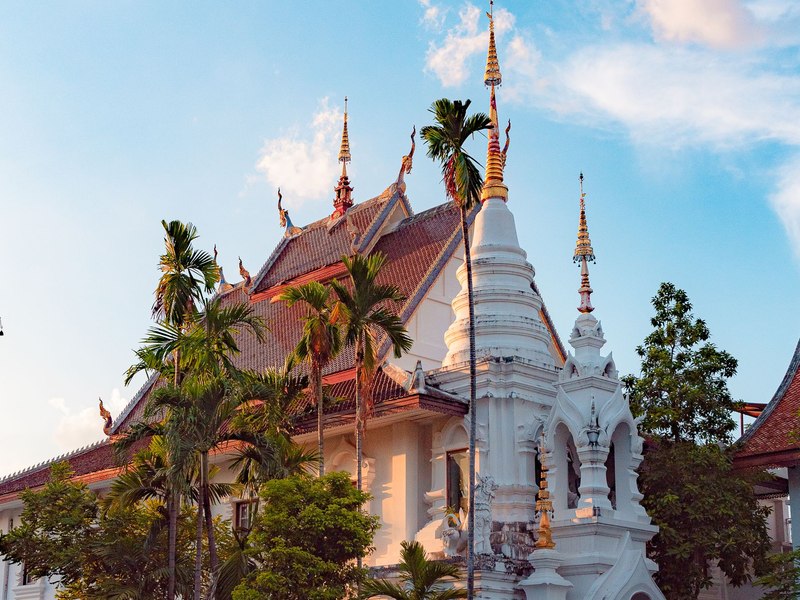
Chiang mai wat chiang man temple
Markets, Food and the Taste of Northern Thailand
4. Spend Sunday Evening at the Walking Street Market
Ratchadamnoen Road transforms into Chiang Mai’s Sunday Walking Street, with handicrafts, food stalls and performers set against the Old City’s temple architecture. It is atmospheric rather than undiscovered, and the crowds can be substantial. Visit for the local creativity, not in search of a perfectly empty photograph. If you miss Sunday, the nightly bazaar along Chang Klan Road provides another evening option, though it feels more souvenir-focused.
5. Explore Warorot Market Like a Curious Traveller
Warorot Market, also called Kad Luang, offers a more everyday view of Chiang Mai: dried goods, fresh produce, snacks, fabrics and busy trading lanes. It is not staged for tourists, which makes browsing more interesting. Look, ask before photographing people closely and try something unfamiliar if you can identify the ingredients. The best markets do not need a curated soundtrack; their ordinary life is quite enough.
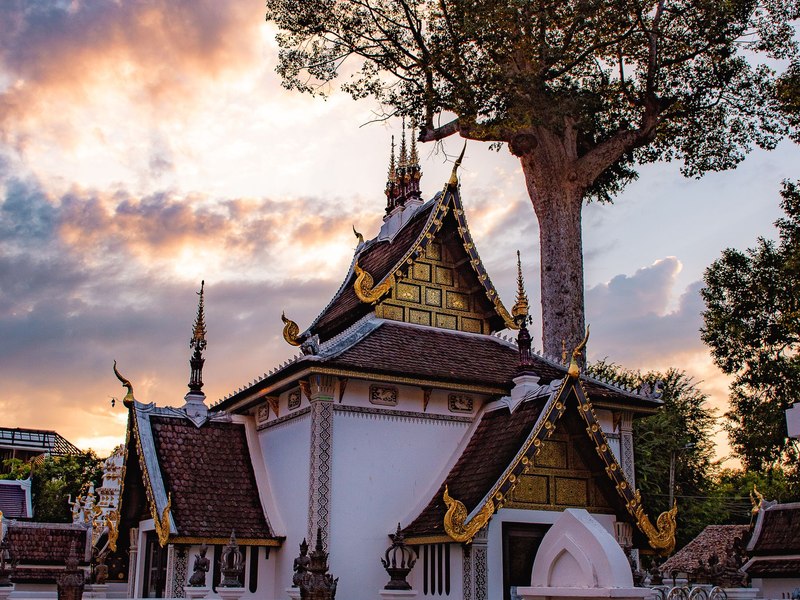
Chiang mai wat chiang man sunset
6. Eat Khao Soi and Discover Lanna Flavours
Few Chiang Mai experiences are more satisfying than a bowl of khao soi: rich curry noodles finished with crisp noodles and condiments. Also look for sai ua, the fragrant northern sausage, and nam prik noom, a green chilli dip. Ask about spice and dietary ingredients; broth and toppings vary. A celebrated restaurant can be excellent, but a neighbourhood shop with a focused menu may offer the more memorable lunch.
7. Take a Northern Thai Cooking Class
A good cooking class turns dinner into an education. Choose one where the instructor explains ingredients and techniques, not merely where everyone receives an identical apron for the group photograph. Some programmes combine a market visit with cooking; others travel to a farm outside the city. Compare pickup, class size, dietary accommodation and the recipes you will actually prepare before booking.
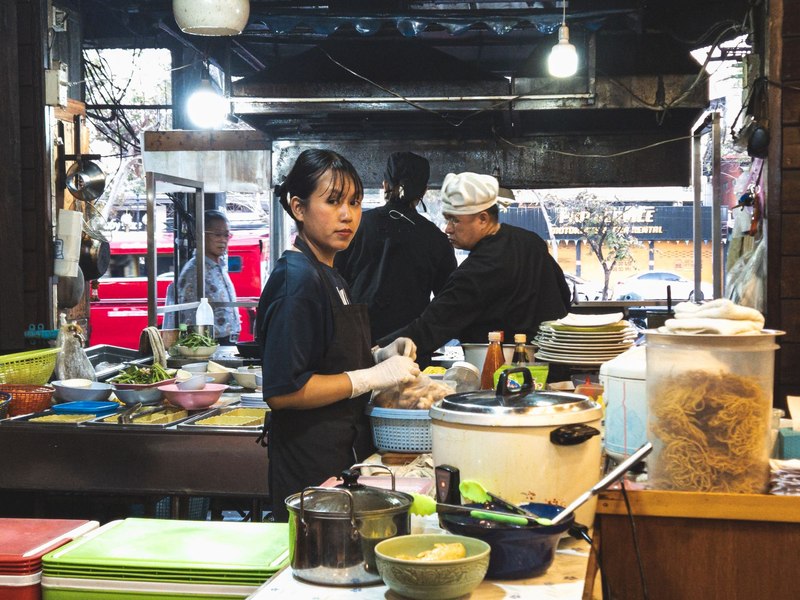
Chiang mai traditional street food vendor
Chiang Mai Beyond the Temples: Art and Contemporary Life
8. Meet the Makers at Baan Kang Wat
Baan Kang Wat is an arts-and-crafts community south-west of the Old City, known for studios, workshops and small cafés. It is ideal when you want to buy something made with thought rather than another identical market souvenir. Check individual workshop schedules and give yourself time to linger. For Mr. Paparazzi, genuine craftsmanship beats a glossy gift shop almost every time.
9. See Chiang Mai’s Modern Side in Nimman
Nimmanhaemin, usually shortened to Nimman, is the city’s contemporary café, restaurant and design district. It is a useful contrast to historic temple courtyards, especially for travellers interested in coffee culture and independent businesses. Spend an afternoon exploring on foot, but do not mistake it for the Old City. Chiang Mai is more interesting when you appreciate both sides rather than demanding they feel identical.
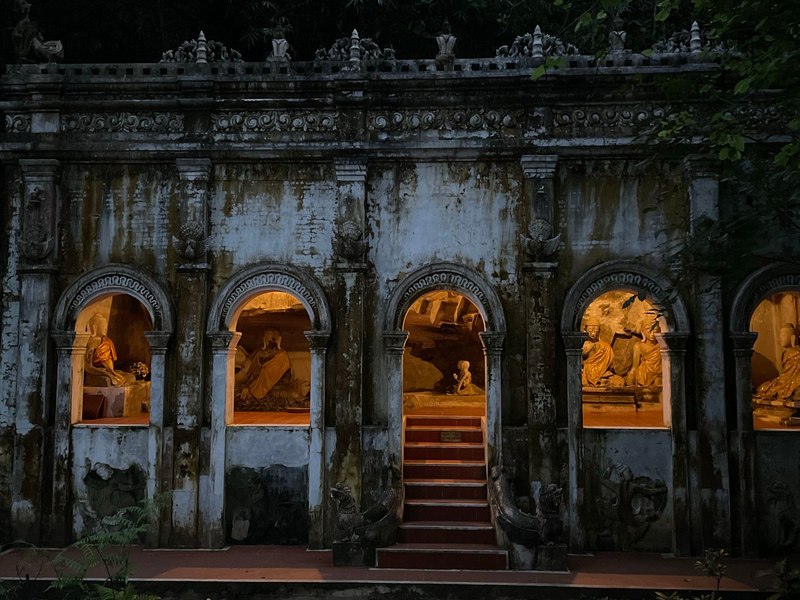
Chiang mai ancient temple at dusk
Wildlife, Waterfalls and Mountain Day Trips
10. Choose an Ethical Elephant Observation Experience
Elephant tourism deserves scrutiny. Avoid riding, forced bathing, staged tricks and experiences that prioritise tourist contact over animal choice. Elephant Nature Park’s SkyWalk promotes a hands-off approach in which guests observe rescued elephants and learn about their care. Check the programme and current operating arrangements before booking. A respectful encounter is more valuable than a photograph that required an animal to perform.
11. Spend a Day at Doi Inthanon National Park
Doi Inthanon, home to Thailand’s highest mountain, brings cooler air, highland landscapes and waterfalls into a Chiang Mai itinerary. It is a full-day outing, not a quick detour after lunch. Dress for changing temperatures, confirm current national-park and trail access, and be realistic about driving time. Mountain views depend heavily on weather and haze; planning flexibility matters more than a rigid timetable.
12. Visit the Bua Tong Sticky Waterfall
Bua Tong’s limestone formations create unusually grippy surfaces, making sections of the waterfall popular for climbing. But “sticky” does not mean risk-free: water flow, footwear and wet rocks still require care. Go with appropriate transport, follow site instructions and skip difficult sections if conditions look unsafe. It is a playful natural escape for active travellers, not a competition to prove how fearless your holiday photographs can be.
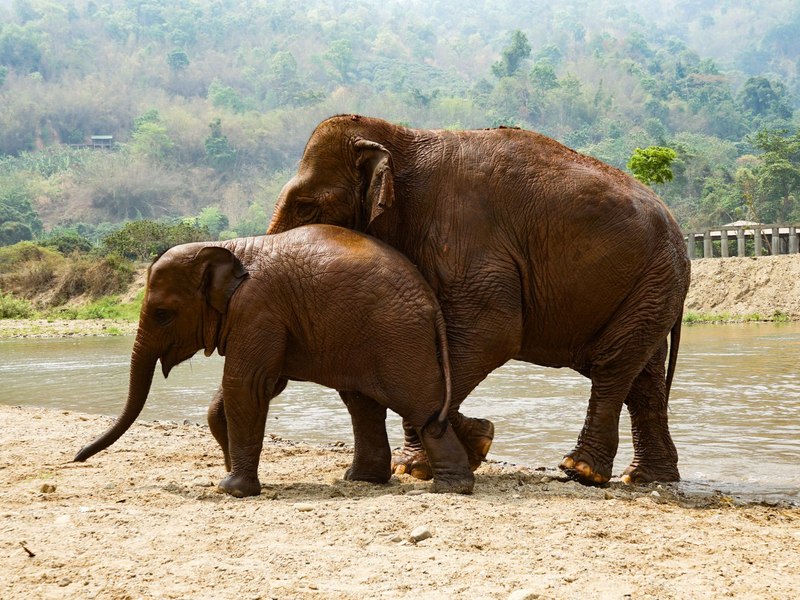
Chiang mai elephants by river
Best Time to Visit Chiang Mai: Do Not Ignore Smoke Season
November through January often brings cooler, more comfortable sightseeing weather, making it an attractive period for temples and mountain excursions. From roughly February to April, agricultural burning and regional haze can cause poor air quality; the exact severity varies from year to year. Australia’s Smartraveller specifically warns about northern Thailand’s smoke haze. Check current PM2.5 readings before committing to strenuous outdoor plans.
Rainy-season visits can bring lush scenery, but trails and waterfalls require extra caution. Festivals, including Yi Peng and Loy Krathong, attract visitors and may alter accommodation prices and traffic. Verify official event dates instead of assuming the same calendar weekend every year.
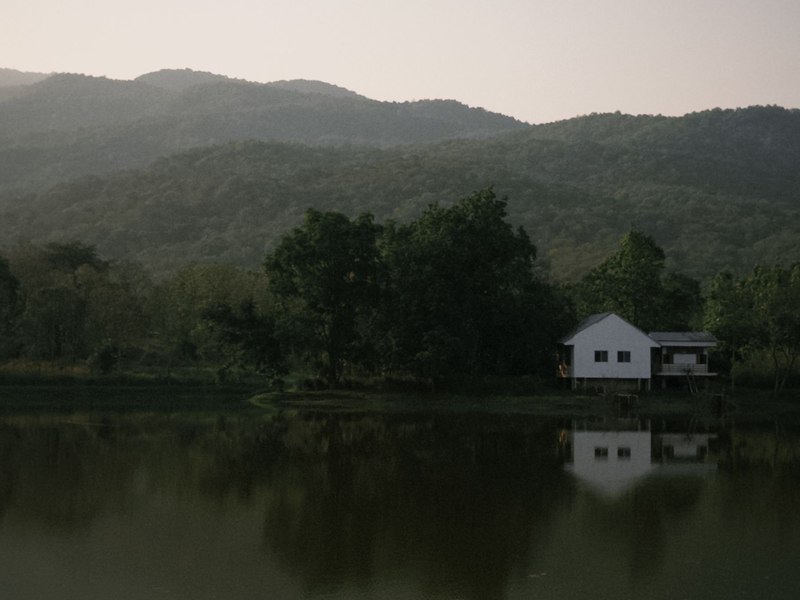
Chiang mai mountain lake seasonal view
How to Spend Three Days in Chiang Mai
| Day | Morning | Afternoon and evening |
|---|---|---|
| Day 1: Old City | Wat Chedi Luang and Wat Phra Singh | Warorot Market, khao soi and evening market |
| Day 2: Mountain | Doi Suthep and, if suitable, Wat Pha Lat | Baan Kang Wat or Nimman cafés |
| Day 3: Choose your escape | Ethical elephant visit or Doi Inthanon | Relaxed dinner; avoid another cross-city rush |
If you have a fourth day, add Bua Tong Waterfall or a cooking class rather than trying to force both into an already busy trip. Plan your Sunday market visit around the actual day of the week. A sensible itinerary should leave room for discoveries, not just time to reach the next scheduled pickup.
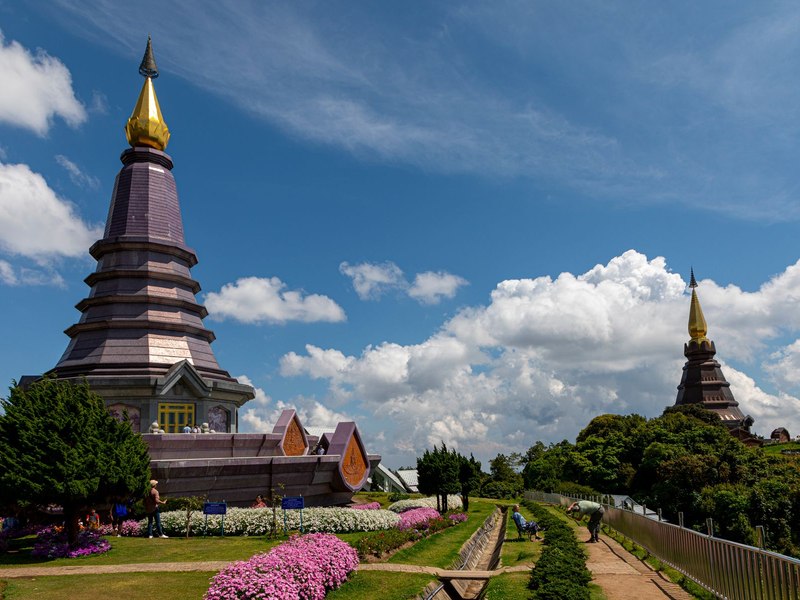
Chiang mai doi inthanon two pagodas
How Much Do Chiang Mai Activities Cost?
Chiang Mai has plenty of low-cost experiences, but guided excursions can change the daily budget quickly. Market browsing and temple walking may cost little beyond admission and transport, whereas cooking classes, elephants and mountain tours are more substantial purchases. Prices vary by operator and date; never treat a generic blog estimate as a live quote.
- Low-cost choices: Old City walking, Warorot Market, neighbourhood cafés and markets.
- Moderate spending: temple transport, a guided cultural walk or a cooking class.
- Higher-cost experiences: responsible elephant programmes, private drivers and full-day mountain excursions.
- Booking rule: compare total THB cost, group size, pickup arrangements, cancellations and any park fees.
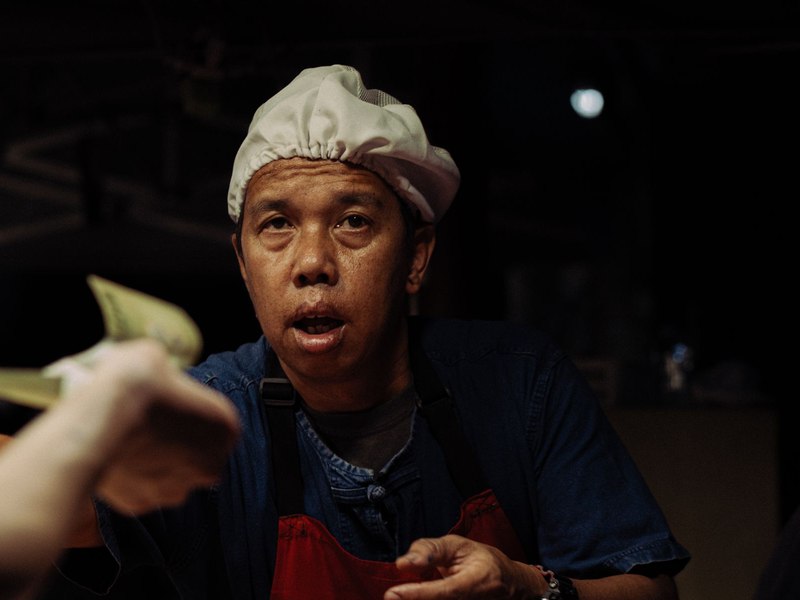
Chiang mai night market food stall worker
Chiang Mai Travel Tips for Australians
Choose the Old City for a first short visit, Nimman for cafés and longer stays, or the riverside for a calmer hotel base. Within the city, walking, ride-hailing and red shared songthaew trucks are practical options. Avoid hiring a scooter unless you have the appropriate licence, insurance and riding experience; northern roads can be steep and unforgiving.
- Before arrival: complete the free Thailand Digital Arrival Card within three days before entering Thailand and verify current visa conditions.
- At temples: cover shoulders and knees where required, remove shoes when instructed and behave respectfully.
- During smoke season: check the air-quality forecast and adapt outdoor plans when pollution is high.
- For tours: confirm the operator, hotel pickup, insurance conditions and what is included before paying.
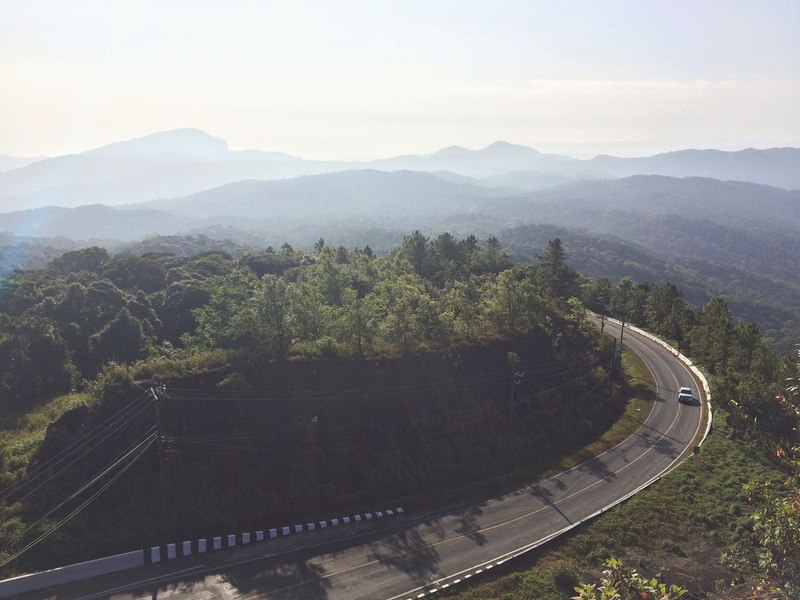
Chiang mai mountain road through forest
Frequently Asked Questions About Chiang Mai
Is Chiang Mai worth visiting for three days?
Yes. Three days cover the Old City, Doi Suthep, food markets and one selected day trip. Four or five days are better if you want cooking, art and mountain experiences without rushing.
What are the best free things to do in Chiang Mai?
Walking historic streets, browsing public markets and exploring some temple grounds can cost little or nothing. Some religious buildings and organised attractions charge admission, so confirm at the entrance.
Is Chiang Mai better than Phuket?
Neither is universally better. Chiang Mai suits temples, northern food, crafts and mountain travel. Phuket suits Andaman beaches, resorts and island excursions. Choose the destination that matches your priorities—and the season.
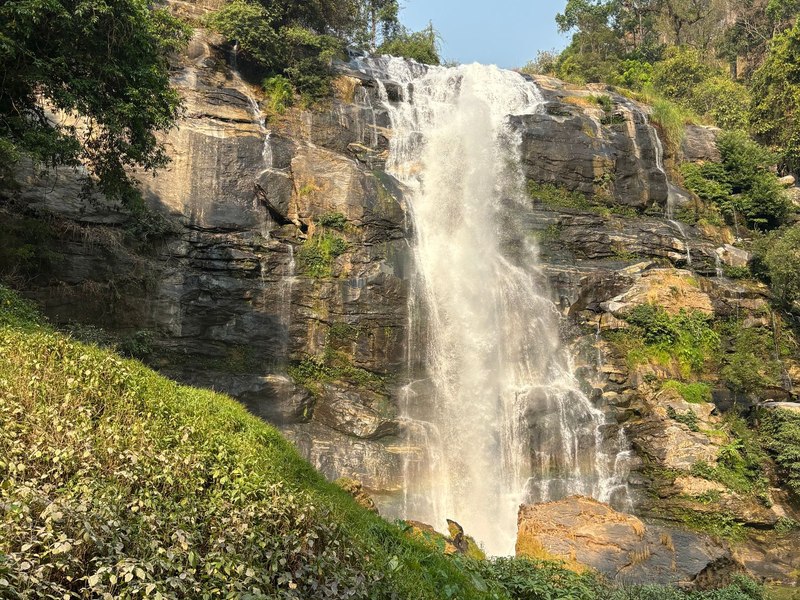
Chiang mai doi inthanon waterfall
The Mr. Paparazzi Verdict: Chiang Mai Beyond the Checklist
Chiang Mai rarely needs to overwhelm you to impress you. Its strongest moments may be a temple courtyard before the crowds, a chef explaining a curry, or a quiet workshop producing something more meaningful than mass-market souvenirs. Doi Suthep earns its reputation; the markets deliver energy; the mountains add perspective. But experiences should be judged by what they give you, not by how convincingly they photograph.
At MrPaparazziWorld, the mission remains “Judging the World as It Is. Not as It’s Marketed.” This guide is independently researched and does not imply that every attraction has been personally reviewed by Darryn Lyons. Explore more considered travel stories at MrPaparazzisWorld.com—and make your Chiang Mai journey worth remembering after the brochure has been put away.