
Chiang Rai is where northern Thailand gets stranger, quieter and more compelling. A white temple flashes with mirrored glass; a blue one glows across the river; black timber buildings turn art into an unsettling conversation. Beyond town, tea hills and Mekong viewpoints demand a different pace. At MrPaparazziWorld, we would give this province more than a quick photograph from a Chiang Mai tour. This guide picks the best things to do in Chiang Rai and shows how to fit them into a realistic two or three-day trip.
What Are the Best Things to Do in Chiang Rai?
For a first visit, start with Wat Rong Khun, Wat Rong Suea Ten and Baan Dam Museum. Add Wat Huay Pla Kang, a town-centre evening and one full day beyond the city if you have time. The choice for that extra day is yours: gardens and tea at Doi Tung, history at the Golden Triangle, or a mountain sunrise at Phu Chi Fa.
- One day: See the White Temple, Blue Temple and Baan Dam, then eat at the Night Bazaar. Expect a full, rather than relaxed, day.
- Two days: Add Wat Huay Pla Kang, old-town sights and either Singha Park or a waterfall.
- Three days: Keep a separate day for Doi Tung and tea country or the Golden Triangle. Phu Chi Fa works best with a night nearby.
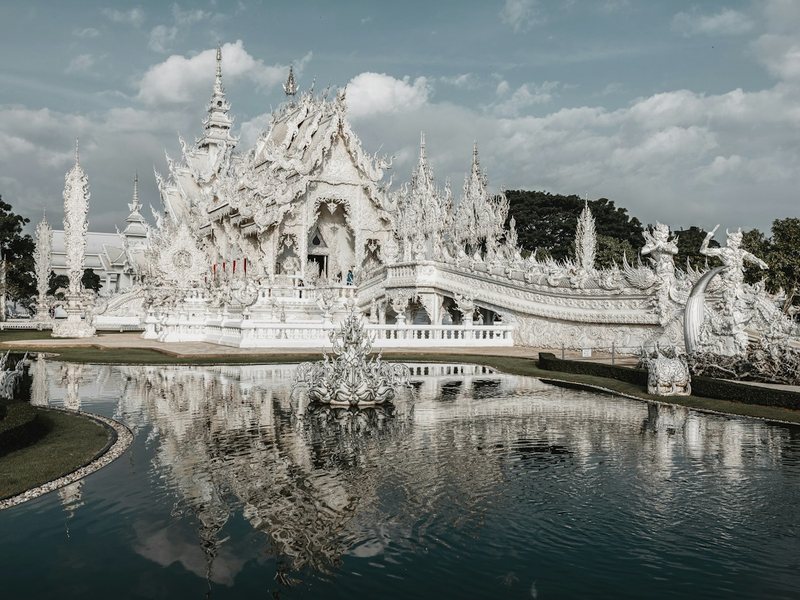
Chiang rai white temple
1. Take Your Time at Wat Rong Khun, the White Temple
Wat Rong Khun is the image that sells Chiang Rai, and it deserves a closer look than a coach-stop selfie. Artist Chalermchai Kositpipat created a modern complex of white surfaces, mirrored details and symbolism that moves from the bridge and reaching hands to elaborate buildings beyond. It is part religious site, part evolving artwork, as the Tourism Authority of Thailand’s guide explains.
Arrive early if you want breathing room before large groups. Keep shoulders and knees covered, follow the site’s photography rules and allow time for the wider grounds rather than heading back to your vehicle after the main building. Admission and opening times can change, so confirm them with the venue before travelling instead of trusting an old price in a search snippet.
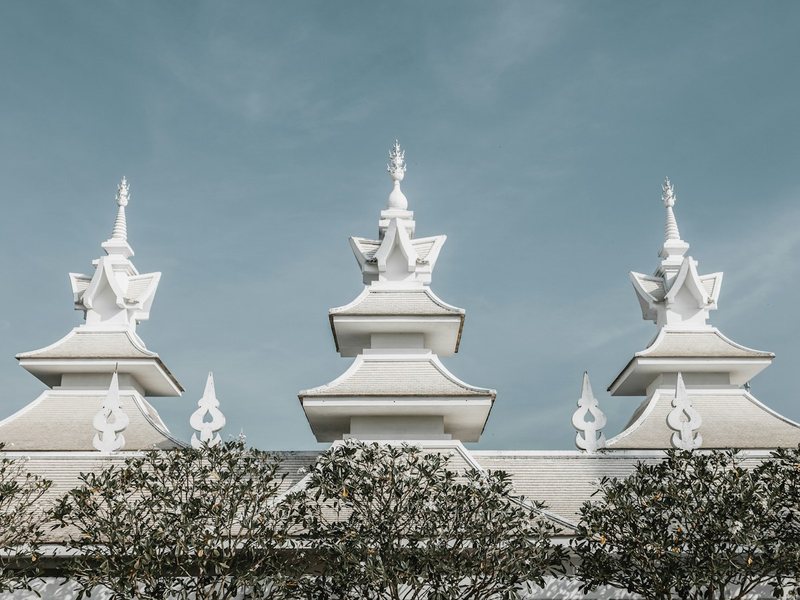
Wat rong khun
2. See the Colour and Detail of Wat Rong Suea Ten
Wat Rong Suea Ten, usually called the Blue Temple, is not merely a different colour for your photo collection. Deep blue walls, gold details and the white Buddha inside give it its own visual rhythm. It sits north of the centre, making it easy to combine with other city sights rather than treating it as a second long excursion.
Look at the exterior before entering the hall, then take a quiet moment inside. Remove your shoes where asked and avoid blocking worshippers while taking photographs. Late-afternoon light can be especially rewarding, though there is no need to race here for a particular Instagram frame. The Tourism Authority of Thailand describes the temple’s distinctive blue and gold design.
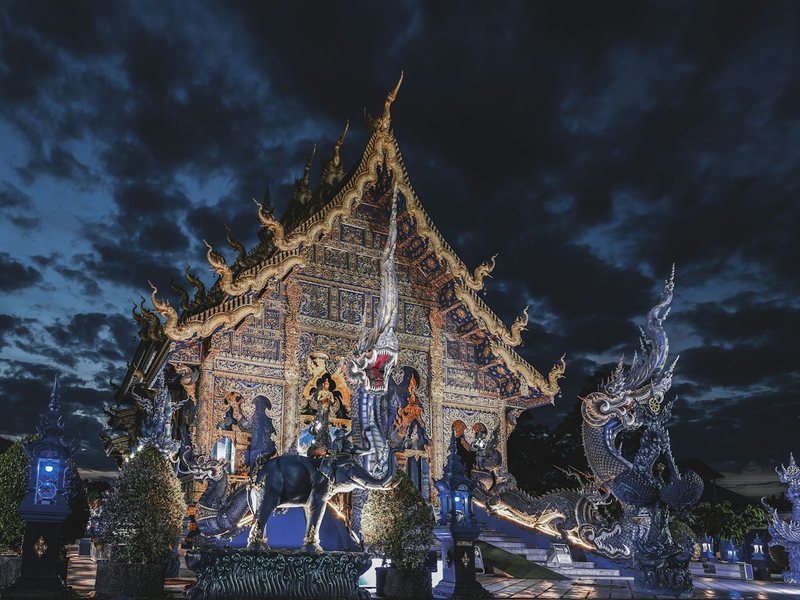
Blue temple
3. Treat Baan Dam as Art, Not Another Temple
Baan Dam Museum, often called the Black House, is the counterpoint to the city’s bright temple circuit. Created around the work of artist Thawan Duchanee, the collection of dark timber buildings contains sculptures, furniture and animal materials that some visitors find provocative. It is an art museum, not a functioning black temple, and that distinction changes what you expect from the visit.
Give yourself time to move between the buildings and read what is available about the work. Some displays may not suit younger children. Baan Dam is north of town, so combine it with the Blue Temple and Wat Huay Pla Kang on a northern loop. Check current admission and closing time before setting out; museum schedules are less forgiving than an open-air viewpoint.
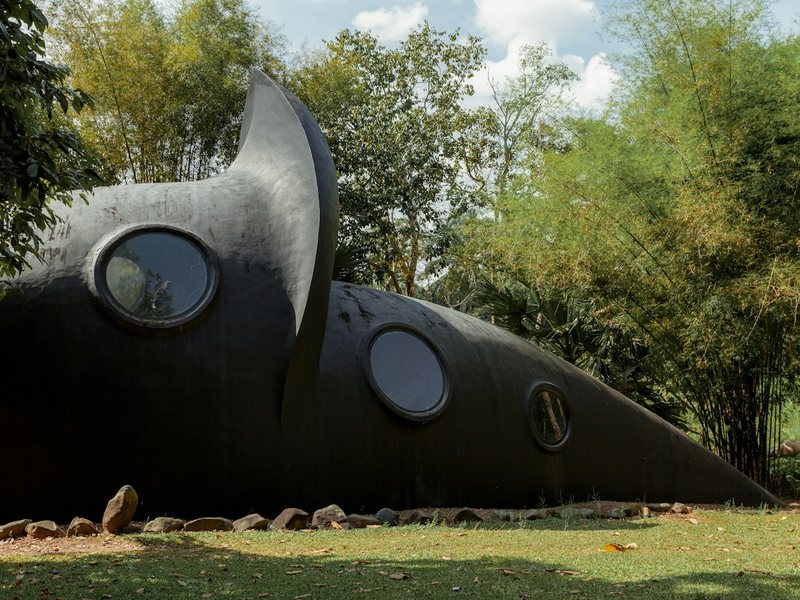
Treat Baan Dam as Art
4. Look Up at Wat Huay Pla Kang
Wat Huay Pla Kang is best known for its towering white Guan Yin figure, set beside a pagoda and temple buildings on a hillside. The scale makes an impression from the road, but the approach and elevated views are the real reasons to stop. Guan Yin is a bodhisattva of compassion; calling the figure a giant Buddha, as some quick lists do, misses an important detail.
Come with enough time to walk the grounds, climb where permitted and observe visitors using the site for worship. The lift inside the figure has its own operating hours and fee, separate from simply visiting the grounds. Thailand’s tourism authority lists these practical details on its Wat Huay Pla Kang page; check again before your visit.
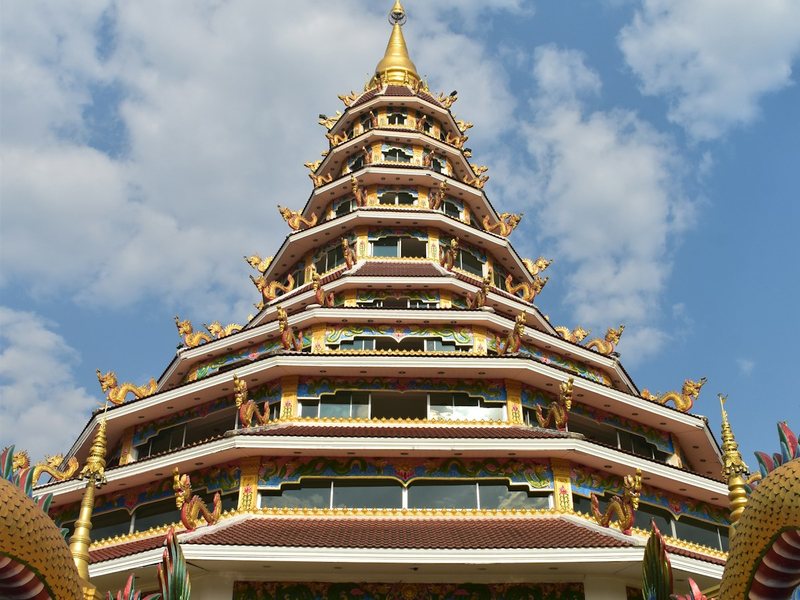
Wat Huay Pla Kang
5. Find Chiang Rai’s Older Story at Wat Phra Kaew
After the dramatic modern landmarks, Wat Phra Kaew provides useful historical balance. The temple is associated with the Emerald Buddha, which is now housed in Bangkok. Chiang Rai has its own revered image today, and the grounds make a calmer stop than the high-contrast temple circuit. The official attraction listing explains that connection.
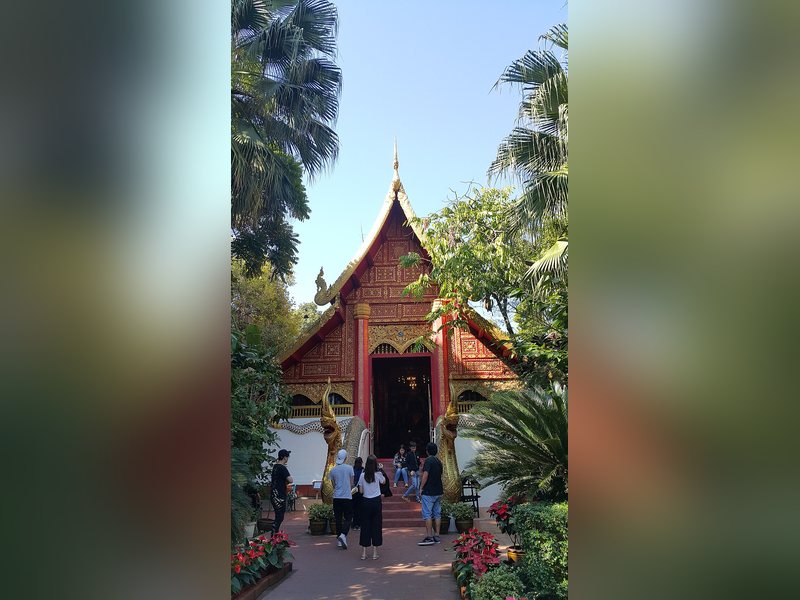
Wat Phra Kaew
6. Spend an Evening at the Night Bazaar and Walking Street
Chiang Rai becomes easier to read after dark. The Night Bazaar gives you a simple dinner plan with stalls, seating and a chance to sample northern flavours without committing to a formal restaurant. The clock tower adds a theatrical focal point in the centre; check locally for the current light-show schedule rather than building an evening around a time copied from an older blog.
If your stay includes Saturday, head towards the walking market on Thanalai Road for food, crafts and a more local street scene. A separate Sunday walking street may also run, so verify the venue and day before setting off. Browse first, then choose what you want to eat; the busiest stall is not automatically the one that suits your appetite. Tourism Thailand’s Saturday-market listing helps identify the location.
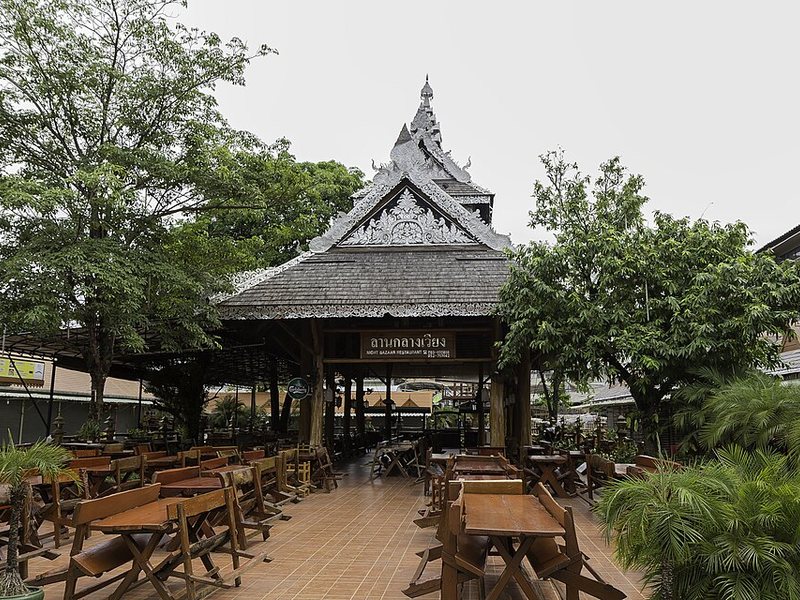
The Night Bazaar
7. Taste Northern Thailand Beyond One Bowl of Khao Soi
Chiang Rai has a food story worth its own hour in the itinerary. Khao soi, the curry noodle dish many travellers associate with Chiang Mai, is an easy starting point. Then look for nam ngiao, a northern noodle soup, or sai ua, the fragrant northern sausage. Markets let you see what is cooking before you order and make smaller, more curious meals possible.
Ask about spice and ingredients if you have dietary restrictions; a dish’s English label may tell you very little about its broth or toppings. For a longer northern Thailand route, our Chiang Mai food guide gives the cuisine more room. In Chiang Rai, the point is to use dinner as part of the trip, not merely refuel between temples.
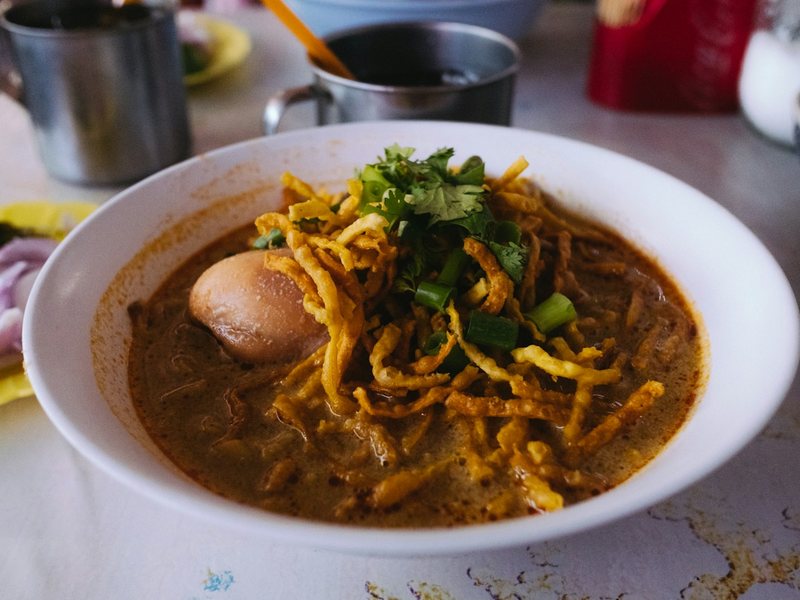
Bowl of Khao Soi
8. Pair Tea Country with Doi Tung’s Gardens
North of Chiang Rai, the scenery opens into tea-growing hills and the Doi Tung area. The Mae Fah Luang Garden and Doi Tung Royal Villa are the anchor sights: landscaped slopes, flowers and a building that mixes Lanna and Swiss influences. The DoiTung project describes both sites and the garden’s former role along an opium-caravan route.
Choose this day if you want landscapes and a slower cultural story rather than another temple sprint. A tea stop such as Choui Fong can fit along the broader northern route, but check your driving route before adding it. The roads take time, and garden entry, villa access and tours may use different tickets. A private driver or organised day trip makes more sense than assuming a city ride-hailing car will cover a whole mountain day.
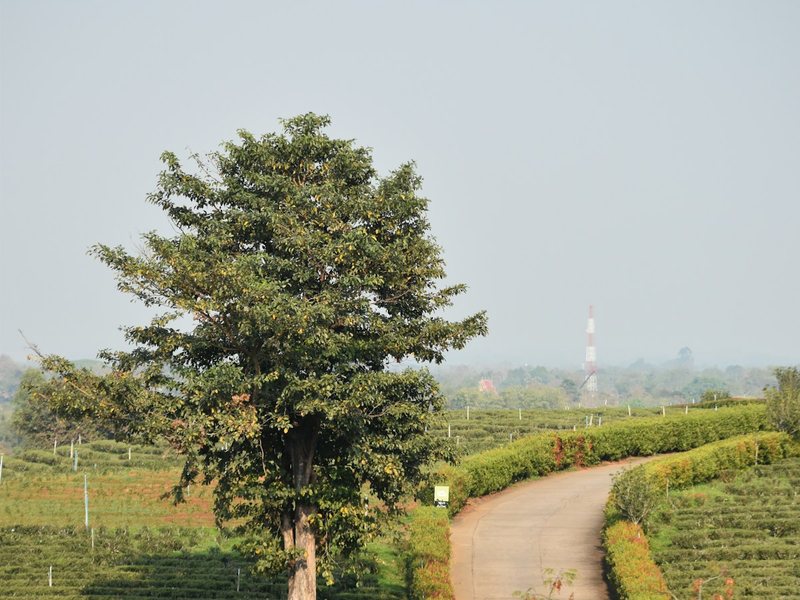
Chiang Rai tea
9. Give the Golden Triangle More Than a Border Photo
At the Golden Triangle, Thailand, Laos and Myanmar meet in the landscape around the Ruak and Mekong rivers. The viewpoint is a quick orientation, not necessarily a full day’s reward on its own. The stronger reason to go is context: the Hall of Opium explains the region’s difficult history through exhibits, while Chiang Saen offers another stop beside the river.
Put the museum first if history interests you, then decide whether a river view or boat trip adds something to your day. Check the museum’s current opening days and admission on the Tourism Authority of Thailand listing. Do not assume a viewpoint visit includes crossing an international border; entry requirements and border operations are separate matters.
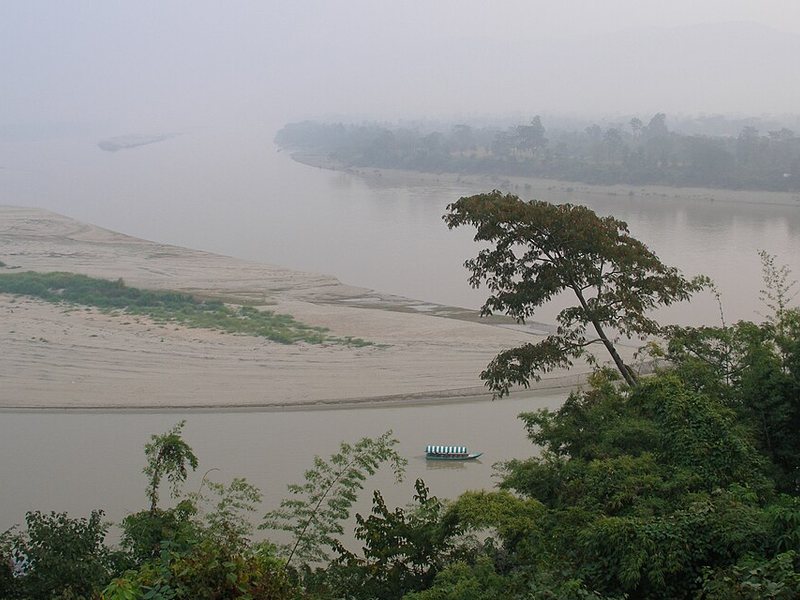
The Golden Triangle
10. Make Phu Chi Fa a Sunrise Trip, Not a Detour
Phu Chi Fa is the mountain option for travellers willing to trade an easy morning for a serious dawn. Its ridge looks towards Laos, with mist sometimes filling the valleys in the cooler season. The view depends on weather; a sunrise is never a guaranteed sea of clouds. The tourism authority includes it in its Thailand viewpoint guide.
This is far from central Chiang Rai, so an overnight stay nearby is usually more sensible than leaving the city in the middle of the night. Bring a layer for the pre-dawn cold, shoes suitable for the final walk and a flexible plan if visibility is poor. Ask a local operator about road and trail conditions, particularly after heavy rain.
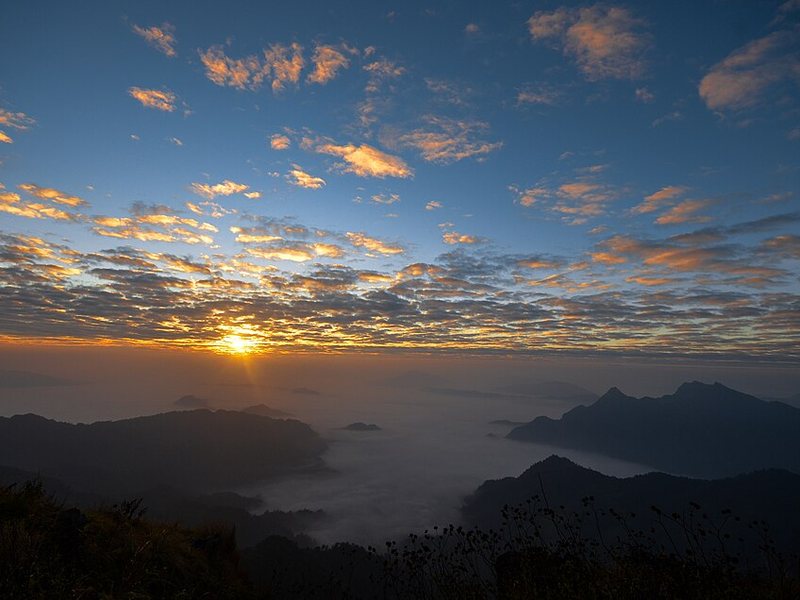
Phu Chi Fa a Sunrise Trip
11. Leave Space for Nature at Khun Korn or Singha Park
If your itinerary needs greenery without a long northern drive, choose the type of outdoor day you want. Khun Korn Waterfall offers a forest walk south-west of town; trail access and water conditions can change after rain. Singha Park is a more managed landscape with agricultural scenery and activities, conveniently close to the White Temple. The official Singha Park listing describes its agrotourism setting.

Chiang Rai waterfall
12. Slow Down by the River and in the City Centre
Some of the best things to do in Chiang Rai have no admission gate. Take a walk near the Kok River, sit down for coffee and leave time to follow an interesting side street. The city is quieter than Chiang Mai, and that quieter pace can be the point. You do not need another distant attraction to justify a second night.
If you are planning both northern cities, our things to do in Chiang Mai guide helps you give each place a different role in the journey.
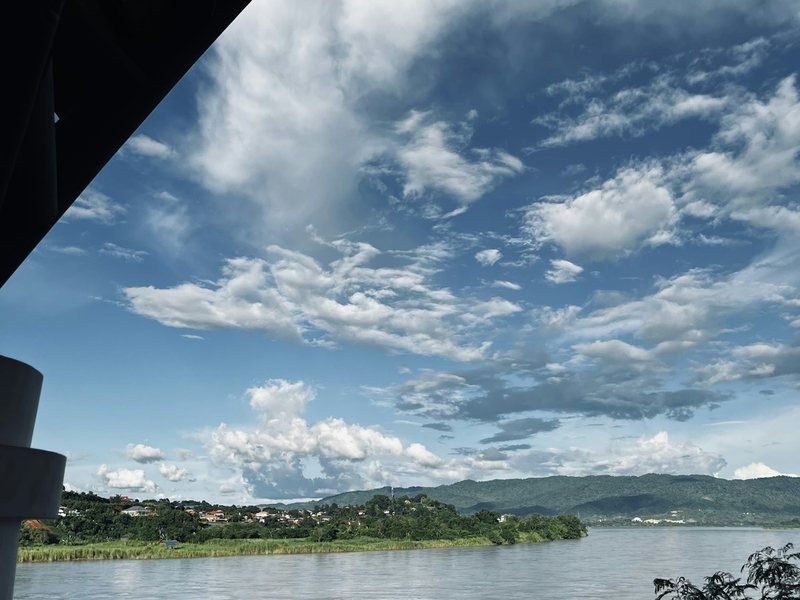
Chiang Rai river
How to Plan Two or Three Days in Chiang Rai
Two nights let you see the main landmarks without racing back to Chiang Mai. A third day belongs to tea country or the Mekong. This route groups nearby stops; confirm venue schedules for your dates.
| Day | Morning | Afternoon | Evening |
|---|---|---|---|
| 1: South and centre | Wat Rong Khun | Singha Park or Wat Phra Kaew and a city walk | Night Bazaar and clock tower |
| 2: Northern city loop | Baan Dam Museum | Wat Huay Pla Kang and Blue Temple | Unhurried northern Thai dinner |
| 3: Choose one excursion | Doi Tung and tea hills or Golden Triangle and Hall of Opium | Continue the same route; return to town | Rest or travel onward |
For Phu Chi Fa, travel towards the mountain the previous afternoon and start before dawn. A Chiang Mai day tour should stick to a compact temple route; the return drive leaves little time for the wider province.
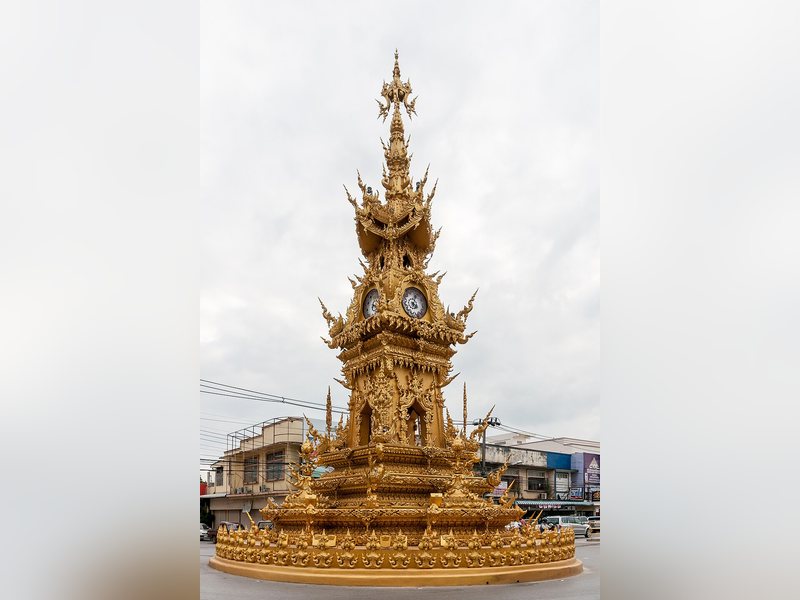
Chiang Rai clock tower
Practical Chiang Rai Tips for Travellers from Australia
- Getting there: Many Australia-to-Thailand itineraries connect via Bangkok. From Chiang Mai, Greenbus says its Chiang Rai service usually takes about three to four hours; check departures and terminals directly with the operator.
- Getting around: Town sights can be grouped with local rides, while Doi Tung, the Golden Triangle and Phu Chi Fa require more deliberate transport. Agree on the route and return plan before hiring a driver.
- Conditions: Check weather and air quality close to departure, especially for mountain viewpoints and during periods of regional haze. Wet-season rain can affect roads and walks.
- Respect: Dress modestly at active temples, remove shoes where requested and distinguish sacred spaces from museums or art installations.
- Changing details: Confirm admission, opening days, transport and any visa requirements with official sources. Avoid converting an old baht price into a fixed Australian-dollar budget.
For the bus, use Greenbus’s Chiang Mai–Chiang Rai guide. Australian visitors should also consult Smartraveller’s Thailand advice before leaving; entry, health and safety information can change. Our best time to visit Thailand guide can help place the north within a wider trip.
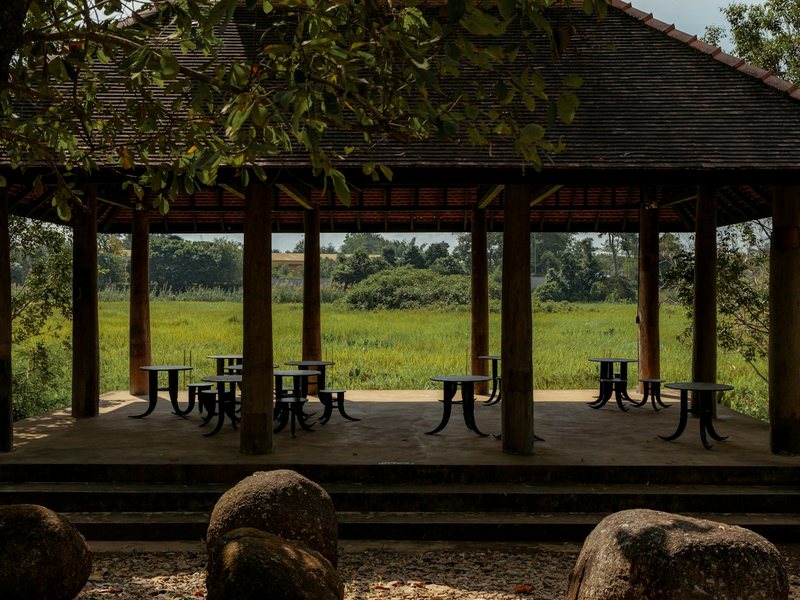
Baan dam pavilion
Frequently Asked Questions
Is Chiang Rai worth visiting from Chiang Mai?
Yes, if the art, temples and hills appeal to you. The road trip takes a significant part of a day. Stay at least one night; two nights give the main sights more room.
Can you see Chiang Rai in one day?
You can see the White Temple, Blue Temple and Baan Dam in one well-planned day from Chiang Rai. A same-day return from Chiang Mai is rushed. Save the Golden Triangle and Phu Chi Fa for another day.
When should I visit Chiang Rai?
Cooler months suit walking and mountain outings, but haze and visibility vary. Check forecasts and air quality close to travel, and keep a museum option for a poor-weather day.
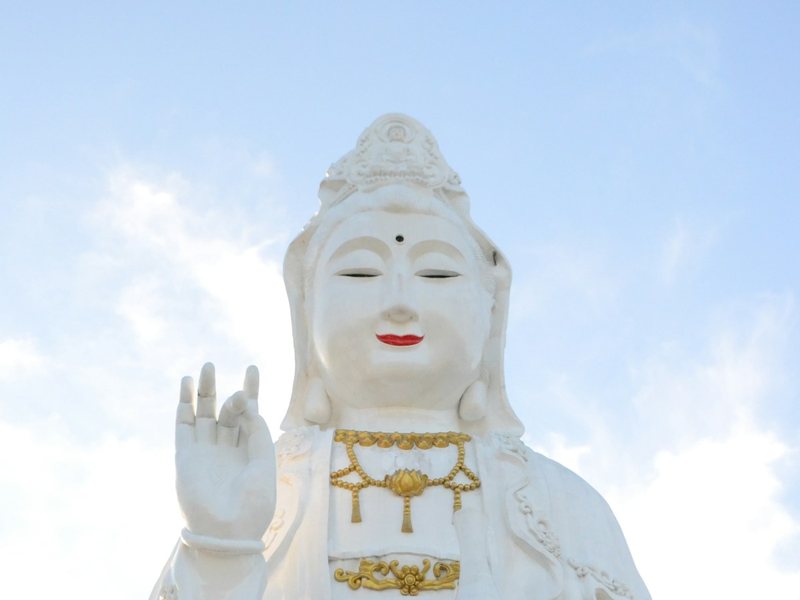
Guan Yin Chiang Rai
The MrPaparazziWorld Verdict
Chiang Rai works best when you resist the urge to reduce it to three coloured landmarks. Give the White Temple its attention, understand that Baan Dam is art, eat something unfamiliar and choose one excursion beyond town that genuinely interests you. MrPaparazziWorld is built for that kind of trip: vivid sights, honest pacing and the freedom to skip a stop that only looks good on a checklist. Continue exploring our Thailand stories or use The BlackBook Premium Thailand to plan the next leg.