
Best Time to Visit Thailand at a Glance
| Period | Bangkok & Central | Northern Thailand | Phuket / Krabi / Andaman | Koh Samui / Gulf | Overall |
|---|---|---|---|---|---|
| January–February | Excellent | Excellent | Excellent | Improving to very good | Best all-round option |
| March | Hotter | Hot, increasingly dry | Very good | Very good | Good if heat is manageable |
| April | Very hot | Very hot | Still viable | Generally favourable | Best for Songkran, not comfort |
| May–June | Hot, wetter | Warm, increasingly wet | Monsoon begins | Often the better beach choice | Good with a Gulf-focused plan |
| July–August | Humid, wet | Green, wet | Rougher and wetter | Often relatively favourable | Good for flexible travellers |
| September | Very wet | Very green | Wet, rough seas possible | Rain increasing | Low-season option |
| October | Transition month | Conditions improving | Gradual improvement | Gulf rain risk rising | Highly region-dependent |
| November | Very good | Excellent | Season improving strongly | Sources disagree; rain risk remains | Strong except Gulf uncertainty |
| December | Excellent | Excellent | Excellent | Conditions vary by source | Peak-season favourite |
The table deliberately avoids pretending that “Thailand weather” is one thing.
That would make planning easier.
It would also be wrong.

Thailand route phuket samui
Thailand’s Three Seasons — Useful, but Only as a Starting Point
Most Thailand travel guides divide the country’s climate into three broad seasons:
- Cool season: November to February.
- Hot season: March to May.
- Wet season: roughly May or June to October.
That framework works reasonably well for Bangkok, central Thailand and much of the north.
It becomes less useful once you start planning the islands.

Bangkok best time
Why the Coastline Matters More Than the Season Name
Phuket and Krabi sit on the Andaman coast, while Koh Samui, Koh Phangan and Koh Tao sit on the Gulf side.
Those coastlines do not peak at exactly the same time.
The Andaman side generally performs better during the cooler dry-season months, while the Gulf can become a more attractive beach option during parts of the year when Phuket and Krabi are receiving more monsoon rain.
That is probably the most important planning rule in this entire guide:
Do not choose “a Thai island”. Choose the coast.
January — Probably the Safest Month for a Multi-Stop Trip
January is one of the easiest months around which to build a Thailand itinerary.
Much of the country is relatively dry, temperatures are more comfortable in the north and Bangkok, and the Andaman coast is firmly within its stronger beach season.

Phuket – a Thailand itinerary
Where January Works Best
- Chiang Mai and Chiang Rai: cooler, drier conditions suit temples, countryside and hiking.
- Bangkok: warm without the more oppressive heat of March and April.
- Phuket, Krabi and Koh Lanta: strong Andaman beach conditions.
- Multi-stop itineraries: one of the easiest months for mixing culture, city and coast.
What About Koh Samui in January?
This is where a little caution is useful.
Some seasonal guides note that Koh Samui can still experience rainfall during January, particularly earlier in the month, as the Gulf’s wetter late-year pattern fades.
So January is an excellent Thailand month.
It is simply not a promise that every island will wake up beneath the same blue sky.

Koh Samui in January
February — My Best All-Round Pick
If I had to choose one month for someone visiting Thailand for the first time, February would be very difficult to beat.
Northern Thailand remains comparatively comfortable, Bangkok has not yet reached peak heat, and both major southern coastlines can be viable.
Why February Works So Well
- Good weather across a broad part of Thailand.
- Comfortable conditions for temples and city sightseeing.
- Strong beach conditions.
- Chiang Mai is still relatively comfortable.
- Less complicated coastline planning than during monsoon months.
The disadvantage is hardly mysterious.
Everyone else has access to a weather app too.
Popular destinations can be busy.
March — Still Good, but Thailand Is Turning the Heat Up
March remains very usable across much of Thailand, but the character of the trip changes.
Temperatures rise significantly, especially in Bangkok and central Thailand, while the north becomes hotter and air quality can become a bigger consideration later in the month.

Koh samui gulf coast
Is March a Good Time for Thailand Beaches?
Generally, yes.
Both the Andaman and Gulf coasts can still offer good beach conditions.
The main issue becomes heat rather than rain.
Is March Good for Chiang Mai?
This is where I would become more cautious.
Northern Thailand can experience poorer air quality during the late dry season because of agricultural burning, forest fires and regional haze.
If Chiang Mai is central to the itinerary, January or February would be my safer choice.
April — Come for Songkran, Not for Comfortable Sightseeing
April is not subtle.
It is one of Thailand’s hottest periods.
It is also when Songkran changes the country completely.

Songkran- The Thai New Year celebrations
Is April a Good Time to Visit Thailand?
Yes — if Songkran is something you actively want to experience.
The Thai New Year celebrations take place around 13–15 April, with major events in Bangkok, Chiang Mai and many other destinations.
How Should You Plan Sightseeing in April?
- Start outdoor sightseeing early.
- Schedule air-conditioned or indoor breaks around midday.
- Use evenings for markets and outdoor dining.
- Expect busy transport and accommodation around Songkran.
- Protect phones and valuables from water during festival days.
April can be fantastic.
It just needs consent.
May — When the Two Coasts Start Moving Apart
May is where generic Thailand weather advice becomes much less useful.
Rain increases across much of the country, particularly on the Andaman side, while the Gulf can become increasingly interesting for beach travellers.
Best Strategy for Thailand in May
- Bangkok: workable, but hot and humid.
- Northern Thailand: possible, although rainfall is increasing.
- Phuket / Krabi: greater weather uncertainty.
- Koh Samui / Koh Phangan: increasingly useful beach alternatives.
This is where understanding the best time to visit Koh Samui becomes much more useful than reading one generic national climate chart.
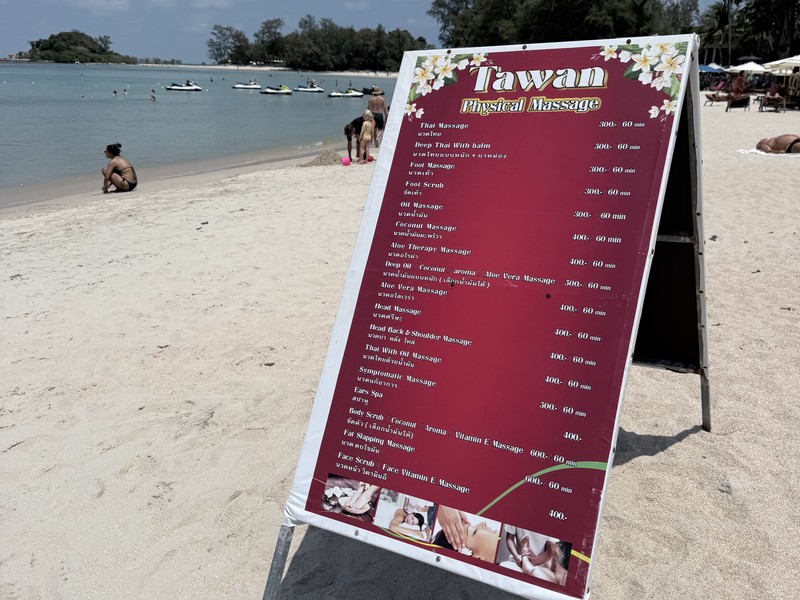
Choeng mon beach koh samui
June — A Smart Month If You Choose the Right Coast
June is underrated.
Not because it is magically dry.
Because lower tourist numbers and different regional weather patterns can create useful opportunities.
Who Should Consider Thailand in June?
- Travellers who dislike peak-season crowds.
- People willing to build the beach section around the Gulf.
- Visitors prioritising culture and food rather than perfect sunshine every day.
- Travellers interested in shoulder-season value.
Phuket in June and Koh Samui in June are not the same decision.
That is the point.

June right route siam bts district
July and August — Gulf Islands Become Much More Interesting
By July and August, rainfall is widespread across much of Thailand.
But Koh Samui and nearby Gulf islands can remain useful beach options while the Andaman side experiences more rain and rougher seas.
Is Thailand Worth Visiting in July and August?
Yes — provided you stop expecting January.
Good Reasons to Visit
- Northern landscapes become greener.
- Waterfalls benefit from rainfall.
- Koh Samui can still offer useful beach periods.
- Culture, food and city travel remain perfectly viable.
Reasons to Be More Flexible
- Andaman sea conditions can affect boat trips.
- Northern trekking trails may become muddy.
- Bangkok is hot, humid and periodically wet.
- Outdoor itineraries need backup options.
If your holiday collapses emotionally the moment rain appears in the forecast, this is probably not your season.
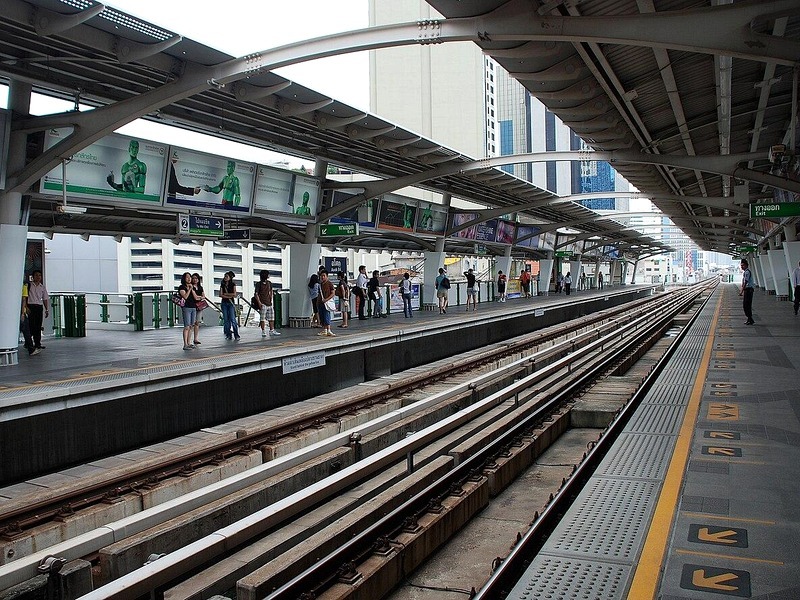
July august thailand asok bts station
September — Low Season Means Low Season
September is one of the more weather-sensitive months for a broad Thailand itinerary.
Rain can be heavy across Bangkok and mainland Thailand, Andaman seas may be rough and the Gulf can also become wetter.
Who Might Actually Like September?
- Travellers focused on value.
- People who dislike crowds.
- Repeat visitors who are not chasing a classic beach holiday.
- Travellers comfortable adding buffer days.
For a first Thailand trip with ten carefully scheduled outdoor activities?
I would choose another month.

September low season bangkok cityscape
October — The Transition Month
October is more interesting than its reputation suggests.
Rain often continues early in the month before conditions begin improving across Bangkok, northern Thailand and eventually the Andaman side.
Why Late October Can Work
- The north begins to become cooler and drier.
- Bangkok becomes easier than during the wettest period.
- The Andaman travel season starts waking up.
- Peak-season crowds have not fully arrived.
But the Gulf can be moving in the opposite direction, with its rainier period becoming more relevant.
Thailand never wastes an opportunity to make one coastline sunny while raining on the other.
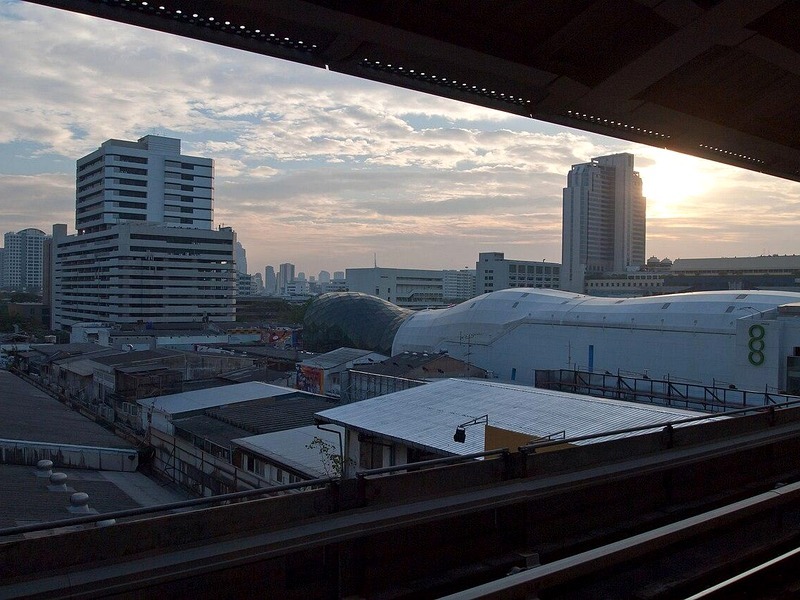
October transition bangkok sunset skyline
November — Brilliant for Much of Thailand, Complicated for Koh Samui
November is one of the strongest months for Bangkok, northern Thailand and the recovering Andaman coast.
- Northern Thailand becomes cooler and more comfortable.
- Bangkok becomes easier to explore.
- Phuket and Krabi improve significantly.
- High-season demand begins returning.
Is November Good for Koh Samui?
This is where different travel sources do not completely agree.
Some describe November as one of the Gulf’s wetter periods, while others present conditions as more manageable.
I would therefore treat November as a strong Bangkok, Chiang Mai and Andaman month, but a higher-risk choice for a Koh Samui-first itinerary.
If Samui is central to the trip, check current local forecasts and recent traveller reports before committing.
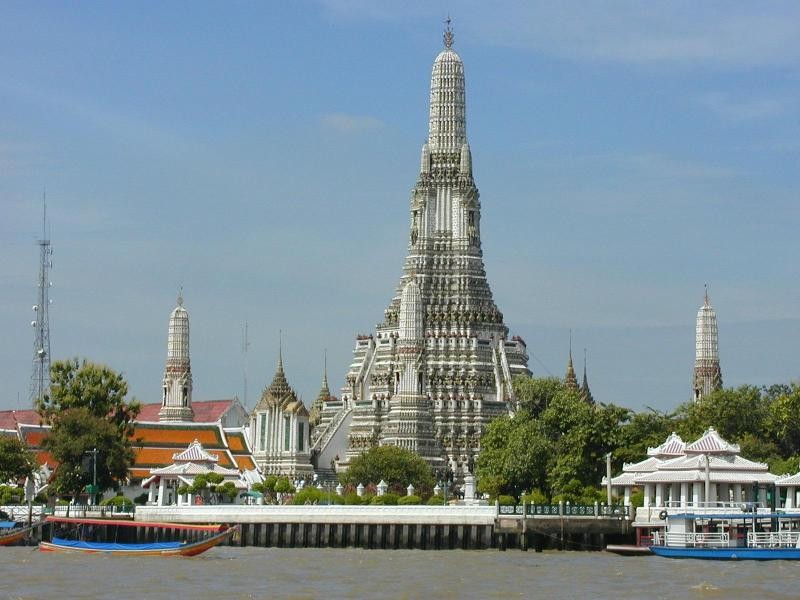
Wat arun
December — Peak Thailand, With the Same Gulf Question
December is peak-season Thailand for a reason.
Bangkok, northern Thailand and the Andaman coast generally perform very well.
December Works Particularly Well For
- Bangkok sightseeing;
- Chiang Mai and northern Thailand;
- Phuket and Krabi;
- family travel;
- multi-stop itineraries.
The main disadvantage is demand.
If the exact hotel matters, December is not the month to discover spontaneous booking as a personality trait.

December peak thailand bts arrival
Best Time to Visit Thailand by Region
Bangkok
For Bangkok, the easiest period is broadly November through February.
- November–February: lower rainfall and more comfortable sightseeing weather.
- March–April: usually workable but significantly hotter.
- May–October: wetter and more humid, but manageable with flexible planning.
Bangkok is easier to handle during wet weather than an island because malls, restaurants, museums, cafés and urban transport provide alternatives.
A rainy afternoon in Bangkok is inconvenient.
A rough sea on a boat-transfer day is logistics.
Chiang Mai and Northern Thailand
Northern Thailand is particularly attractive during the cooler part of the year.
- November–February: strongest overall window for temples, countryside and outdoor travel.
- March: hotter with increasing air-quality concerns.
- April: extremely hot, although Songkran is a major draw.
- Wet season: very green, but trekking conditions can become muddy.
If outdoor mountain travel is important, I would prioritise November through February.
Phuket, Krabi and the Andaman Coast
The practical core for the Andaman side is roughly November or December through March or April.
This includes destinations such as:
- Phuket;
- Krabi;
- Phi Phi;
- Koh Lanta;
- Khao Lak;
- Andaman island-hopping routes.
During the middle of the year, rain and rougher seas become bigger factors for boat trips and beach-focused itineraries.
Koh Samui, Koh Phangan and the Gulf Coast
The Gulf deserves its own weather strategy.
While the Andaman side becomes wetter during the southwest monsoon, Koh Samui and nearby islands can remain useful alternatives through parts of the middle of the year.
| Period | Gulf Outlook |
|---|---|
| February–April | Strong |
| May–August | Often useful when the Andaman side is wetter |
| September | Rain risk increasing |
| October–November | Greater monsoon concern |
| December–January | More variable; check local conditions |
This is why the national phrase best time to visit Thailand becomes much less useful when your holiday is really “a Koh Samui holiday with two nights in Bangkok”.
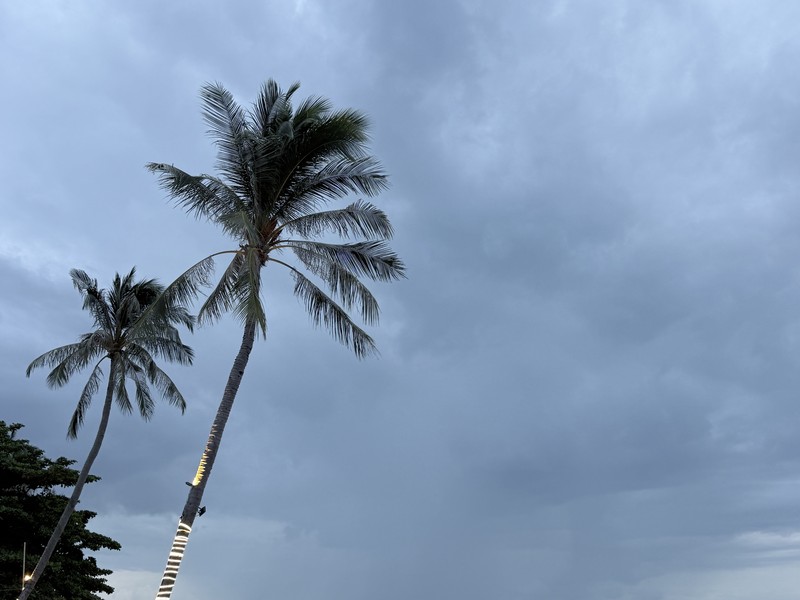
Gulf coast storm alert
Best Time to Visit Thailand by Travel Style
| Travel Goal | Period to Investigate First |
|---|---|
| First-time Thailand trip | January–February |
| Bangkok + Chiang Mai | November–February |
| Phuket + Krabi beach trip | December–March |
| Koh Samui / Gulf islands | February–September, depending on priorities |
| Songkran | Mid-April |
| Lower crowds and value | May–June or shoulder periods |
| Green landscapes and waterfalls | Wet season |
| Northern trekking | November–February |
| Andaman diving and island hopping | Cooler dry-season months |
| Flexible low-season trip | June–September |
Is Rainy Season a Bad Time to Visit Thailand?
No.
But it is a bad time to pretend weather does not matter.
Rainy-season Thailand can offer greener landscapes, fewer crowds and potentially better value.
Who Should Consider Rainy-Season Thailand?
- Repeat visitors.
- Flexible travellers.
- People more interested in food, culture and nature than postcard weather.
- Travellers who can move beach plans between coasts.
- Anyone willing to accept occasional schedule changes.
Who Probably Shouldn’t?
- Anyone with only three beach days and no flexibility.
- Travellers relying heavily on small-boat transfers.
- People who require guaranteed sunshine to enjoy a holiday.
- Visitors attempting a tightly scheduled multi-island itinerary.
Rainy season is not a travel ban.
It is a planning style.

Rainy season Thailand silom skyline
What Is the Best Month to Visit Thailand for the First Time?
If I had no additional information about the traveller, I would start with:
February
February produces one of the cleanest compromises across the country.
- Northern Thailand is still relatively comfortable.
- Bangkok has not yet reached peak heat.
- The Andaman coast is strong.
- The Gulf is generally more usable than during its late-year wet period.
- The main monsoon season is not yet driving the itinerary.
January is extremely close.
That does not make February objectively “best”.
It makes it easy.
There is a difference.

Best month first time grand palace
When Should You Avoid Thailand?
I would not use the word avoid for any entire month.
Thailand remains a year-round destination.
Instead, I would avoid specific destination-and-season combinations.
Combinations I Would Think Twice About
- Phuket + September if calm beach and boat conditions are the priority.
- Koh Samui + November if the entire holiday depends on uninterrupted beach weather.
- Chiang Mai + late March or April if clean air and mountain views are essential.
- Bangkok + April if you strongly dislike heat.
- Multi-island Andaman itinerary + peak monsoon if ferry reliability matters.
That is considerably more useful than declaring September “bad” or February “perfect”.
The MrPaparazzi Rule: Pick the Trip Before the Weather
This is the part I would remember.
Do not ask:
“What is the best month for Thailand?”
Ask:
“What is the best month for Bangkok + Chiang Mai + Koh Samui?”
Or:
“What is the best month for Bangkok + Phuket + Krabi?”
Those are completely different weather questions.
Thailand’s climate becomes much less confusing once you stop trying to make the entire country behave like one resort.
Best Time to Visit Thailand: The Final Verdict
For a classic first trip covering cities, culture, northern Thailand and a beach, January to February is the strongest all-round starting point.
November and December are also excellent across much of the country, particularly Bangkok, northern Thailand and the Andaman coast, although Gulf conditions can be less predictable late in the year.
- If your beach trip is centred on Phuket or Krabi, focus primarily on the drier Andaman period from roughly November or December through March or April.
- If your holiday is centred on Koh Samui, Koh Phangan or Koh Tao, do not copy Phuket’s calendar. The Gulf follows a different rainfall pattern and can become the smarter beach choice during parts of the middle of the year.
- If you want Songkran, April is worth accepting the heat.
- If you want fewer crowds and better value, May and June deserve more attention than they normally get.
- If you want green Thailand, waterfalls and fewer tourists, rainy season does not automatically need avoiding.
And if someone gives you one month and says it is unquestionably the best time to visit Thailand?
Ask which coast.
That normally tells you how much of the country their answer actually considered.