Bangkok does not ease you into Thailand.
It starts immediately.
The airport doors open, the humidity arrives, luggage starts rolling onto the carousel and suddenly you are deciding whether to take a taxi, train or whatever option gets you to the hotel before the traffic changes its mind.
That is part of Bangkok.
So are the temples, river boats, rooftop bars, night markets and street food. But a useful Bangkok Travel Guide should begin before the postcard version of the city. MrPaparazziWorld’s Thailand footage captures that side of the journey well: arriving, collecting bags, moving through the airport and figuring out the next step. It is not the glamorous part of travel, but it is the part that determines whether your first few hours in Bangkok feel easy or unnecessarily complicated. Bangkok is enormous, hot, crowded and surprisingly easy to misunderstand if you plan it entirely from a list of “Top 20 Things to Do”. The Grand Palace might be essential for a first visit. Wat Pho deserves time. Wat Arun looks even better when approached from the river. Chinatown is worth arriving hungry for. Siam and Sukhumvit show a completely different Bangkok from the historic centre.
- But those places are not sitting politely beside one another waiting for your itinerary.
- Traffic matters. Distance matters. Heat matters.
- And where you stay matters much more than the hotel photography suggests.
Choose areas before attractions, transport before taxis and experiences before checklists.
For most first-time visitors, three or four days is enough to understand Bangkok without pretending you have completed it. Spend one day around historic Bangkok and the river. Give Chinatown an evening. Use another day for modern Bangkok around Siam, Sukhumvit or Silom. Then leave enough unplanned time for the restaurant, market or neighbourhood you did not expect to find.
If Bangkok is only the beginning of a larger Thailand trip, plan the route rather than treating every destination as a separate holiday. The weather that suits Bangkok may not be identical to the weather you want in Phuket or Koh Samui.
A good Bangkok trip is not about seeing everything.
It is about wasting less time getting between the things worth seeing.
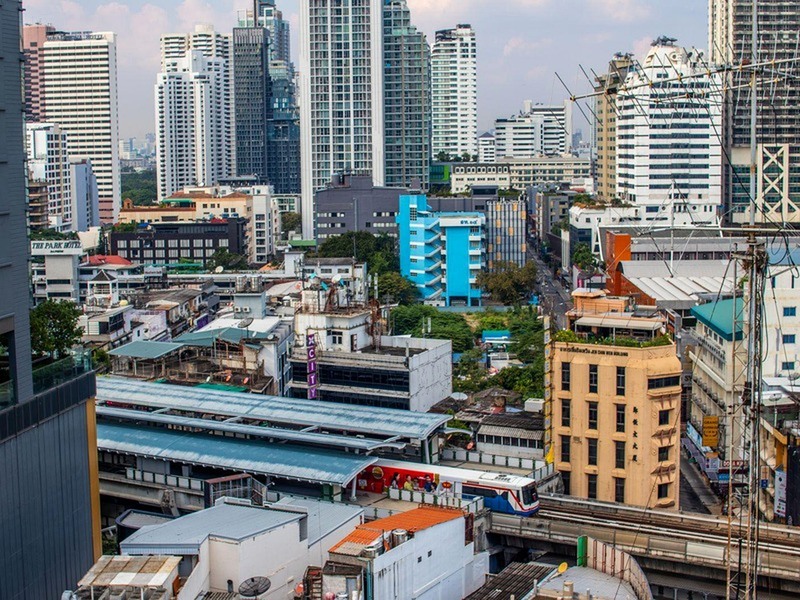
Bangkok travel guide at a glance
Bangkok Travel Guide at a Glance
| Question | MrPaparazziWorld Take |
|---|---|
How long should you stay? |
3–4 full days for a first visit |
Best areas for first-timers |
Sukhumvit, Siam, Silom or Riverside |
Best area for temples |
Old Town / Rattanakosin |
Best area for food |
Chinatown / Yaowarat |
Best transport |
BTS + MRT + river boats |
Best time of day for temples |
Morning |
Best strategy |
Group attractions by neighbourhood |
Biggest mistake |
Trying to cross Bangkok repeatedly in one day |
Arriving in Bangkok: The Trip Starts at the Airport
Bangkok begins with logistics. The MrPaparazziWorld footage from the Thailand trip shows exactly the sort of travel moments that rarely make it into destination marketing: arriving, collecting luggage and figuring out transport.
They matter. Bangkok has two major airports, and your transport choice should depend on where you are staying rather than what somebody on TikTok said was “the best way into Bangkok”.
- A taxi is often the simplest answer when you are carrying luggage.
- Rail makes more sense when your hotel is conveniently connected.
- The objective is not to win the airport-transfer Olympics.
- It is to arrive without wasting half the day.
How Should You Get Around Bangkok?
Once you are in the city, BTS and MRT should become part of the itinerary rather than an emergency alternative to taxis.
- BTS Skytrain: useful for Sukhumvit, Siam, Silom and many modern commercial areas.
- MRT: useful for Chinatown, central Bangkok and access toward the historic side of the city.
- Chao Phraya boats: useful for riverside attractions and a completely different view of Bangkok.
- Taxis: useful when rail does not make sense, when you have luggage or when convenience is worth sitting in traffic.
The mistake is not taking taxis. The mistake is taking taxis everywhere.
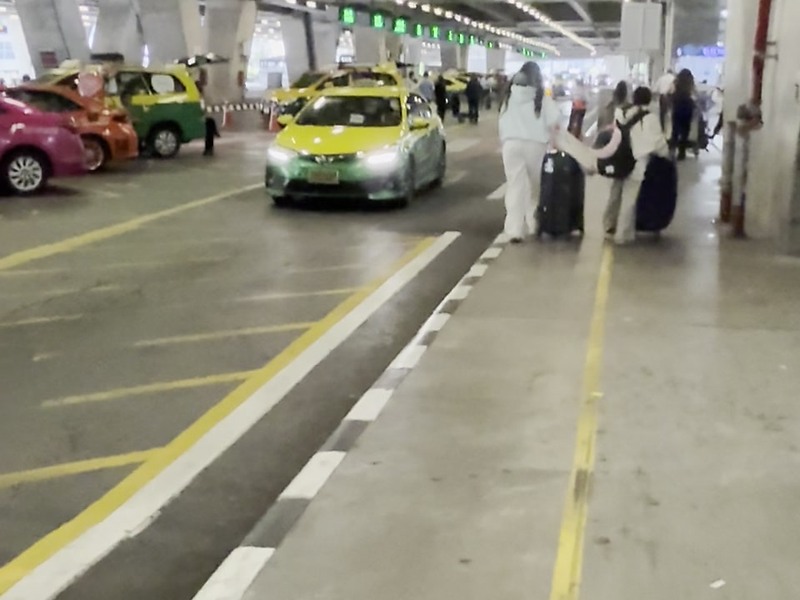
Arriving in bangkok airport taxi rank
Where Should You Stay in Bangkok?
Accommodation location changes the entire trip. Sukhumvit may be easier for restaurants and nightlife. Siam makes sense for shopping. Riverside gives you atmosphere. Old Town puts some of Bangkok’s major historic sights closer to the hotel.
That is why choosing where to stay in Bangkok should happen before choosing the exact property. A five-star hotel in the wrong area can create more inconvenience than a simpler hotel beside the transport you actually need.
| Area | Best For | Main Advantage | Main Trade-Off |
|---|---|---|---|
Sukhumvit |
First timers, nightlife, restaurants | Excellent BTS access | Busy and less historic |
Siam |
Shopping, short stays | Central BTS interchange | Mall-heavy |
Silom / Sathorn |
Couples, business, longer stays | Central but calmer | Road traffic can be heavy |
Riverside |
Luxury, couples, atmosphere | River views and boats | Convenience varies by hotel |
Old Town |
Temples and history | Historic sights nearby | Less convenient for Sukhumvit |
Chinatown |
Food and street life | Yaowarat + MRT | Intense and busy |
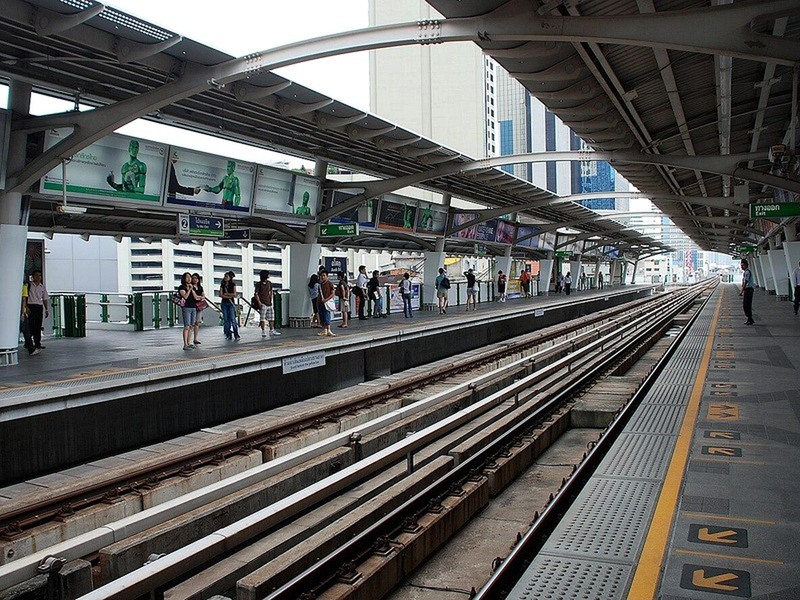
Where to stay in bangkok asok bts
What Area Is Best for First-Time Visitors?
There is no universal winner.
If transport matters most, I would start with Sukhumvit, Siam or Silom.
If the trip is mainly about temples and historic Bangkok, Old Town makes more sense.
If you want the Bangkok that looks good at sunset and feels different from every other Asian megacity, Riverside deserves serious consideration.
Pick the neighbourhood. Then choose the bed.
What Should You See on Your First Bangkok Trip?
Do not start by collecting thirty attractions.
Start with areas.
Bangkok becomes dramatically easier once you group the day geographically.
Day One: Old Town and the Chao Phraya River
The classic first day works for a reason.
Start around the Grand Palace and Wat Pho.
Then cross the river for Wat Arun.
The river is not merely scenery. It is transportation, geography and part of Bangkok’s identity.
Spend time around the old city rather than treating each temple like a checkpoint.
How Much Time Should You Allow for Bangkok Temples?
More than fifteen minutes.
The major temple complexes reward slower exploration, but the heat does not.
- Start early in the morning.
- Wear appropriate clothing.
- Keep drinking water nearby.
- Avoid scheduling every historic attraction for the hottest part of the afternoon.
Day Two: Chinatown, Markets and Bangkok After Dark
Yaowarat deserves an empty stomach.
That is the main planning requirement.
Chinatown is dense, noisy, colourful and much more interesting when you allow yourself to walk without knowing exactly where dinner will happen.
This is where over-planning becomes a disadvantage.
You can bookmark famous restaurants.
You can save Michelin recommendations.
But if a stall is busy, food is moving quickly and everybody around you seems more interested in eating than photographing it, that is usually useful information.
What Should You Eat in Bangkok?
There is no sensible way to reduce Bangkok food to five dishes.
But you can start with:
- Noodle dishes from busy local stalls.
- Thai curries and rice dishes.
- Grilled meat and seafood.
- Chinese-Thai food around Yaowarat.
- Fresh fruit and desserts.
- One thing you cannot immediately identify.
The last option may produce the better story.
Day Three: Modern Bangkok
After temples and Chinatown, modern Bangkok feels almost like another destination.
Head toward Siam, Asok, Phrom Phong or another part of Sukhumvit and suddenly Bangkok becomes BTS lines, enormous shopping centres, hotels, rooftop bars and restaurants.
That contrast is one of the reasons the city deserves several days.
Bangkok has multiple personalities.
You do not need to choose only one.
Is Bangkok Good for Shopping?
Extremely.
Siam is the obvious centre for major malls and easy BTS connections, while markets and neighbourhood shopping provide very different experiences elsewhere.
Shopping also happens to be a useful afternoon strategy when Bangkok is doing its best impression of an oven.
Not every cultural experience requires suffering.
How Many Days Do You Need in Bangkok?
- For most first-time visitors,
- Three to four full days
- Is the sweet spot.
- One day is possible.
- It is also basically a trailer.
| Time in Bangkok | What I Would Prioritise |
|---|---|
1 Day |
Old Town + river + one evening district |
2 Days |
Add Chinatown and modern Bangkok |
3 Days |
Best balance for temples, food and modern city |
4 Days |
Add slower neighbourhood exploration |
5+ Days |
Day trips, markets, food-focused days and less rushing |
The extra day often improves the trip more than adding another ten attractions.
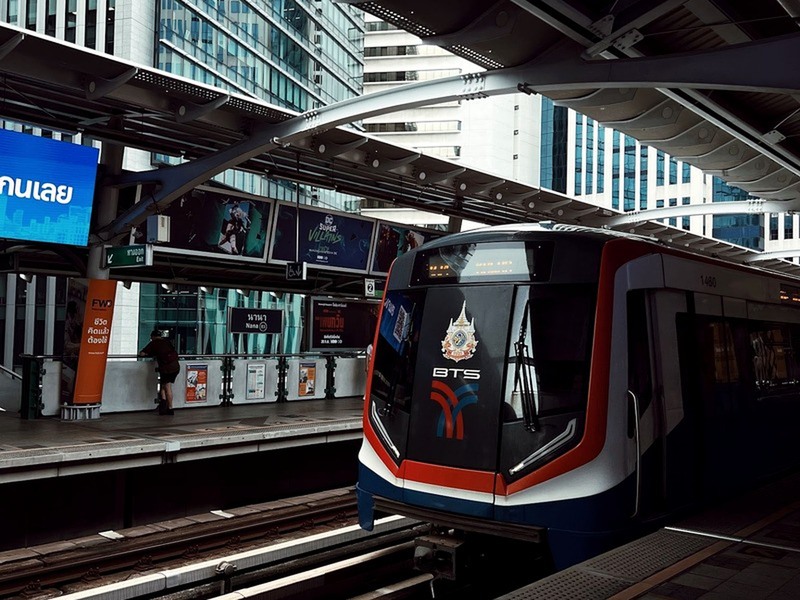
How many days in bangkok bts
When Is the Best Time to Visit Bangkok?
Bangkok works throughout the year.
Comfort does not.
The cooler part of Thailand’s calendar generally makes outdoor sightseeing easier, while hot-season travel requires earlier mornings, more indoor breaks and less ambition around midday.
Rain does not automatically ruin Bangkok either.
- This is a city with malls, restaurants, cafés, spas, museums and rail systems.
- A wet afternoon in Bangkok is usually an inconvenience.
- A rough sea during an island-transfer day is logistics.
- If Bangkok is part of a larger route, compare the city with your other destinations using the full
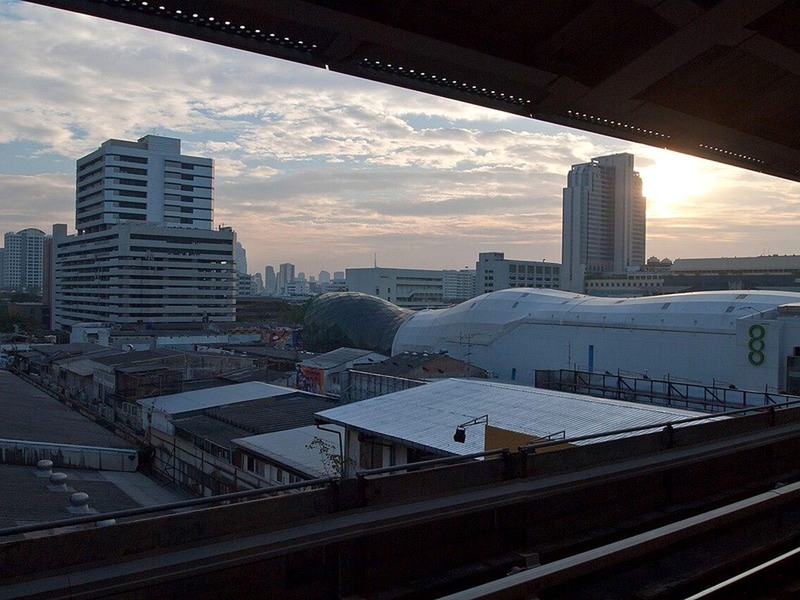
Best time to visit bangkok sunset
Best time to visit Thailand
Guide rather than choosing dates based on Bangkok alone.
Is Rainy Season Bad for Bangkok?
Not necessarily.
Rain can interrupt outdoor plans, but Bangkok gives you more backup options than most beach destinations.
The better question is whether the rest of your Thailand itinerary also works during the same period.
Thailand does not operate on one national beach calendar.
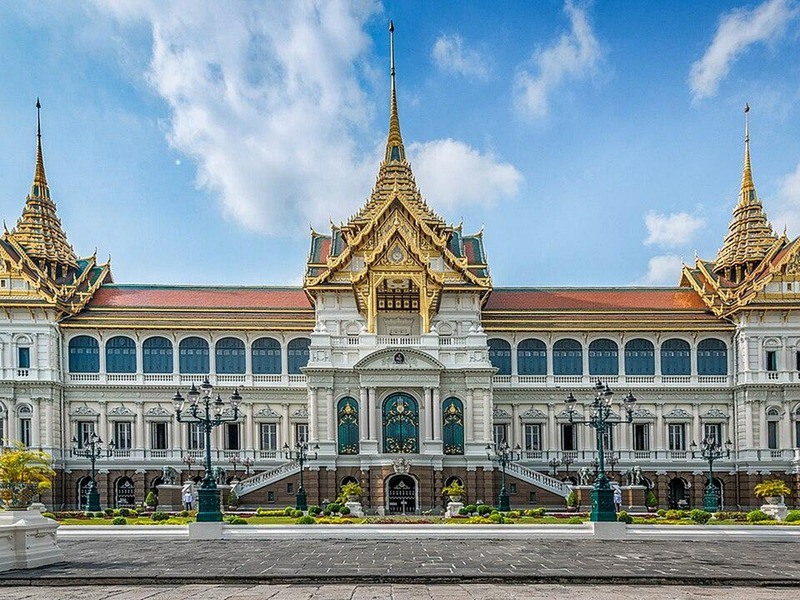
First bangkok trip grand palace
Bangkok Food: Stop Trying to Optimise Every Meal
There is a strange modern travel habit where people book breakfast, lunch, dinner and the emergency dessert six weeks before boarding the flight.
Bangkok deserves better.
Research restaurants.
Save places.
- Book somewhere special if it matters.
- Then leave room for improvisation.
- A busy street stall can be better than the restaurant you saved because somebody with 800,000 followers took one photograph there.
- Bangkok’s food scene works because there are options everywhere.
Use them.
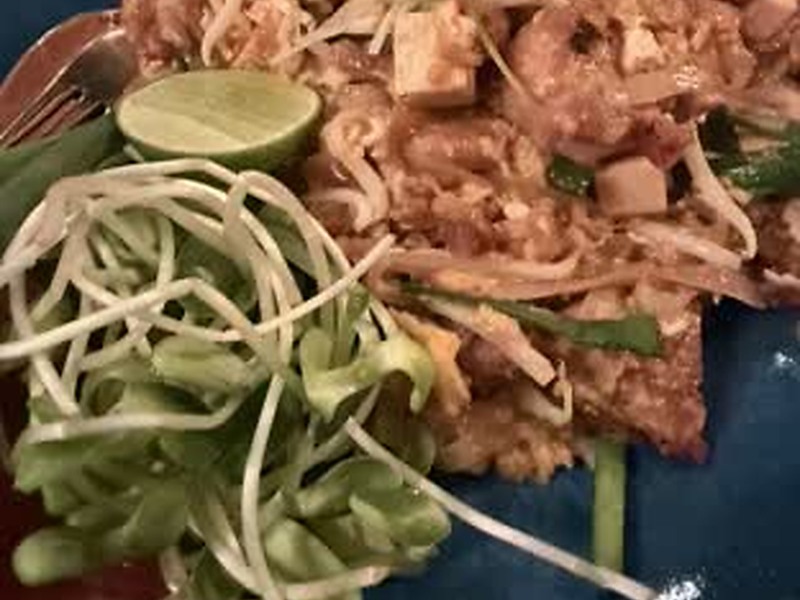
Bangkok food pad thai
What Should You Avoid Doing in Bangkok?
Some Bangkok mistakes are remarkably easy to prevent.
- Do not schedule attractions on opposite sides of the city without checking travel time.
- Do not underestimate heat and humidity.
- Do not assume every five-kilometre journey is short.
- Do not wear inappropriate clothing to religious sites.
- Do not spend the entire holiday around one BTS station.
- Do not fill every hour with activities.
- Do not mistake seeing more for experiencing more.
Bangkok already moves quickly.
Your itinerary does not need to compete with it.
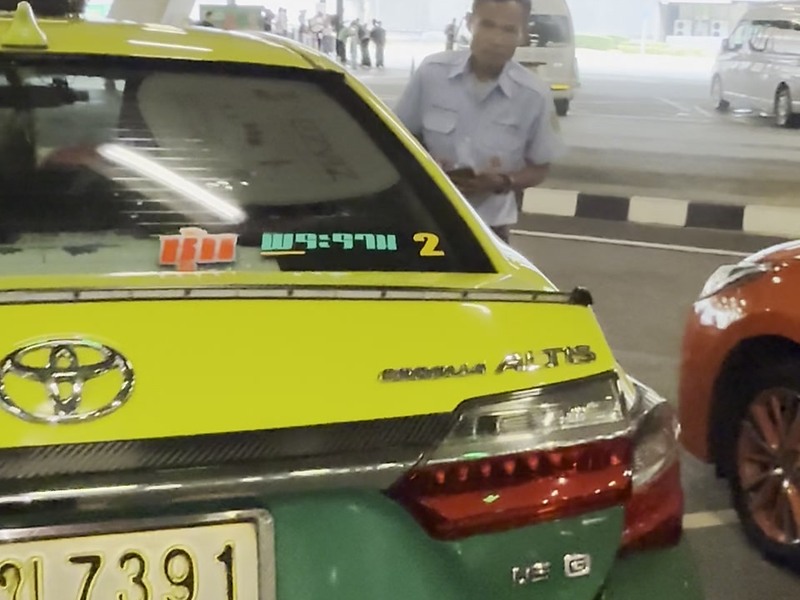
What to avoid bangkok taxi
How Bangkok Fits Into a Wider Thailand Trip
Bangkok works particularly well as the beginning of a longer Thailand itinerary.
It throws you directly into the country.
- Food.
- Traffic.
- Temples.
- Markets.
- Nightlife.
- Noise.
Then you can slow everything down.
A beach destination after Bangkok makes a lot of sense, particularly if the first few days have involved several kilometres of walking and considerably more eating.
Should You Go to Koh Samui After Bangkok?
Koh Samui is almost the opposite rhythm.
Bangkok moves.
Samui spreads out.
Bangkok gives you trains and traffic lights.
Samui gives you beaches, boats and the occasional coconut tree positioned exactly where Instagram hoped it would be.
Before flying south, explore the main things to do in Koh Samui so you know which activities deserve a full day and which work as shorter stops.
Island hopping, beaches, snorkeling, waterfalls and viewpoints all require different planning.
When Should You Visit Koh Samui?
Do not assume Phuket and Samui follow the same weather calendar. They do not. The Gulf of Thailand has a different seasonal pattern from the Andaman coast.
Check the dedicated best time to visit Koh Samui guide before placing the island at the end of your Bangkok trip. This becomes particularly important during periods when Phuket may be wetter while the Gulf remains more attractive — or vice versa.
Choose the coast before the hotel.
A recurring theme, apparently.
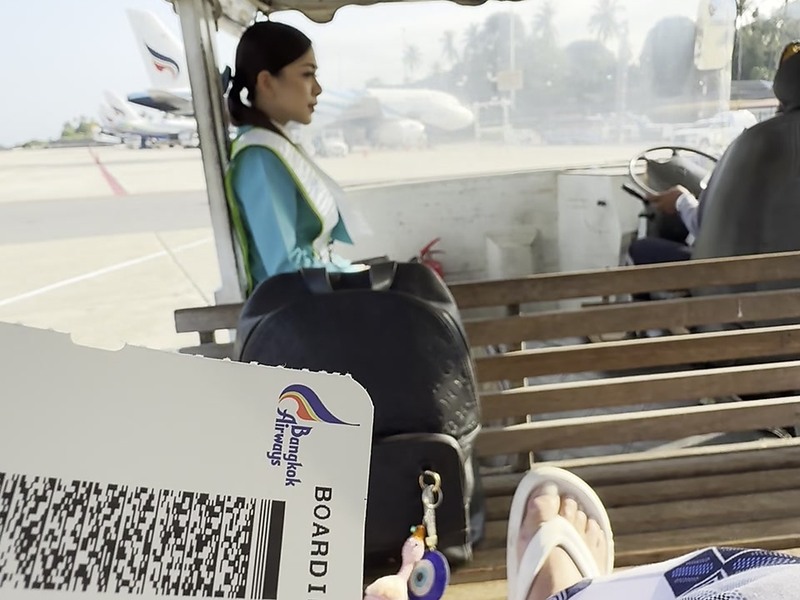
Bangkok wider thailand trip plane
Should Bangkok Be the Start or End of the Trip?
- I prefer Bangkok first.
- You arrive with energy.
- You deal with the city.
- You eat.
- You walk.
- You learn how Thailand works.
- Then you leave for somewhere slower.
- But Bangkok can also work at the end if shopping, restaurants and easier international flight connections are priorities.
There is no correct sequence. There is only the sequence that wastes the least amount of your holiday.

Leave something unplanned bangkok cocktail
Leave Something Unplanned
This may be the most important part of this Bangkok Travel Guide
Leave space.
Not fake space containing four “optional” attractions.
Actual space.
- Time to stay longer in Chinatown because dinner is going well.
- Time to take a river boat instead of another taxi.
- Time to walk into a market you did not know existed.
- Time to cancel the rooftop bar because the restaurant downstairs looks better.
Bangkok does not always cooperate with schedules.
That is not necessarily a problem.
Bangkok Travel Guide: The MrPaparazzi Verdict
Bangkok does not need to be conquered. It needs to be edited.
Pick the neighbourhood before the hotel.
Group attractions by area.
Use BTS, MRT and boats before automatically choosing road traffic.
Give Old Town time.
Give Chinatown an empty stomach.
Give modern Bangkok a night.
And do not try to compress one of Asia’s most complicated cities into a collection of checkmarks.
A useful Bangkok Travel Guide should not tell you how to see everything. It should help you spend less time getting between the things that are actually worth seeing. That is the difference between visiting Bangkok and simply surviving the itinerary.